Dreaming of a commercial property or home landscape blanketed in a sea of bluebonnets and Indian paintbrushes? To achieve that iconic Texas beauty, you need to know a secret that seasoned property managers live by: the real work starts in the fall. Forget spring planting; for a truly spectacular wildflower meadow, your magic window is September through November. This guide provides the practical, actionable advice you need to get it right.
The Best Time to Plant Wildflowers in Texas
In landscaping, timing is everything. It feels counterintuitive to plant for spring blooms in the fall, but with Texas's often harsh climate, an autumn planting schedule gives native wildflower species the crucial head start they need to thrive.
Why Fall Planting Is Critical for South Texas Success
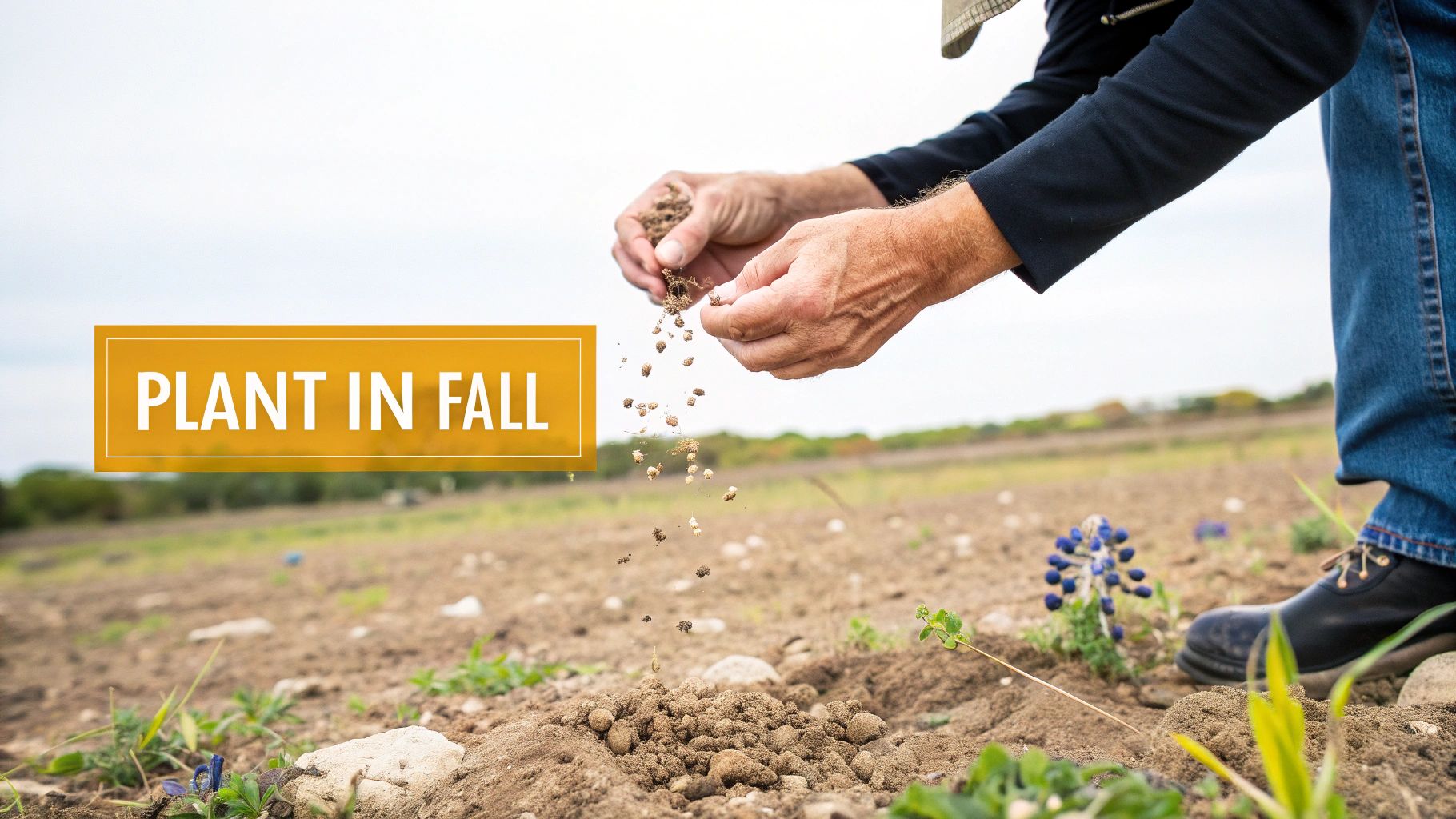
The sweet spot for getting most native Texas wildflower seeds into the ground is from mid-September to mid-November. This timeframe is nature's own planting schedule. It takes advantage of cooler soil and the arrival of seasonal rains, which cues seeds like our beloved bluebonnets to begin germination.
Sowing in the fall allows the seeds to develop deep, robust root systems all winter. When the first warm days of spring arrive, they are primed for an explosion of growth and color. For more on tailoring your approach, the team at Created by Nature offers some great regional insights.
Consider the alternative: spring planting. If you wait, you're in a race against the clock. The Texas heat, especially in places like Corpus Christi and San Antonio, can arrive fast and furious, scorching tender new seedlings before they ever have a chance to bloom. A fall start builds the resilience needed for a vibrant, lasting display.
By aligning with this natural horticultural clock, you are working with the Texas climate, not against it. This simple shift from spring to fall planting is the single most important factor for achieving a dense, beautiful meadow that enhances your property's value.
Understanding regional differences is non-negotiable. For a property manager in the Rio Grande Valley, getting the timing right is the difference between a few sad-looking sprouts and a breathtaking landscape that makes a property stand out. At Fischer Landscaping, our deep local knowledge means we plant at the perfect time for maximum impact, handling everything from initial site preparation to professional hydroseeding services to execute the project flawlessly.
Texas Wildflower Planting Calendar At-a-Glance
| Planting Season | Ideal Timeframe | Primary Benefits | Key Considerations |
|---|---|---|---|
| Fall Planting | Mid-September – Mid-November | Stronger root development, better drought tolerance, more vibrant and dense spring blooms. | Requires patience as seeds lie dormant over winter. Essential for many native perennials like bluebonnets. |
| Spring Planting | Late February – Early April | Faster germination for certain annuals, good for filling in bare spots. | Seedlings are vulnerable to sudden heat and drought. Many perennials will not bloom the first year. |
Ultimately, while spring planting has a limited role for certain annuals, a dedicated fall planting strategy is the professional solution for unlocking the stunning, resilient wildflower display Texas is famous for.
Timing is Everything: Planting by Texas's Climate Zones
As any Texan knows, our state is huge. You cannot expect a planting schedule that works for a garden in Dallas to deliver the same results in Brownsville. To achieve professional-grade results, you must plant according to your local climate zone.
Here in South Texas—from San Antonio down to Harlingen and Corpus Christi—we manage landscapes primarily in USDA zones 8b, 9a, and 9b. These zones are defined by two critical factors: incredibly hot summers and wonderfully mild winters.
The South Texas Solution: Plant in the Fall
For any homeowner or business in this part of the state, planting in the fall isn't just a good idea; it's the golden rule for wildflower success. When you sow seeds in autumn, they get a chance to sprout and establish a solid root system during our cooler, wetter months.
This head start is the only thing that prepares them for the brutal heat of a South Texas summer. Spring-planted seedlings simply lack the deep roots needed to survive and are often scorched before they have a chance to bloom.
By planting in the fall, you’re giving your wildflowers the entire mild winter and early spring to build up the strength they need. This resilience is what leads to a spectacular show of color that enhances curb appeal.
Folks up in North Texas have a bit more wiggle room, as the state spans from USDA Zone 6 to 9. Those cooler northern zones can often get away with an early spring planting. For a great overview of these statewide differences, Texas Highways has some excellent resources.
This is exactly where local experience makes all the difference. At Fischer Landscaping, we don't rely on generic planting calendars. We work with the unique microclimates of South Texas, ensuring your landscape installation is timed perfectly for the best possible germination and bloom. It’s how we save our clients the time, money, and frustration of a wildflower meadow that never takes hold.
How to Prepare and Plant Your Wildflower Meadow
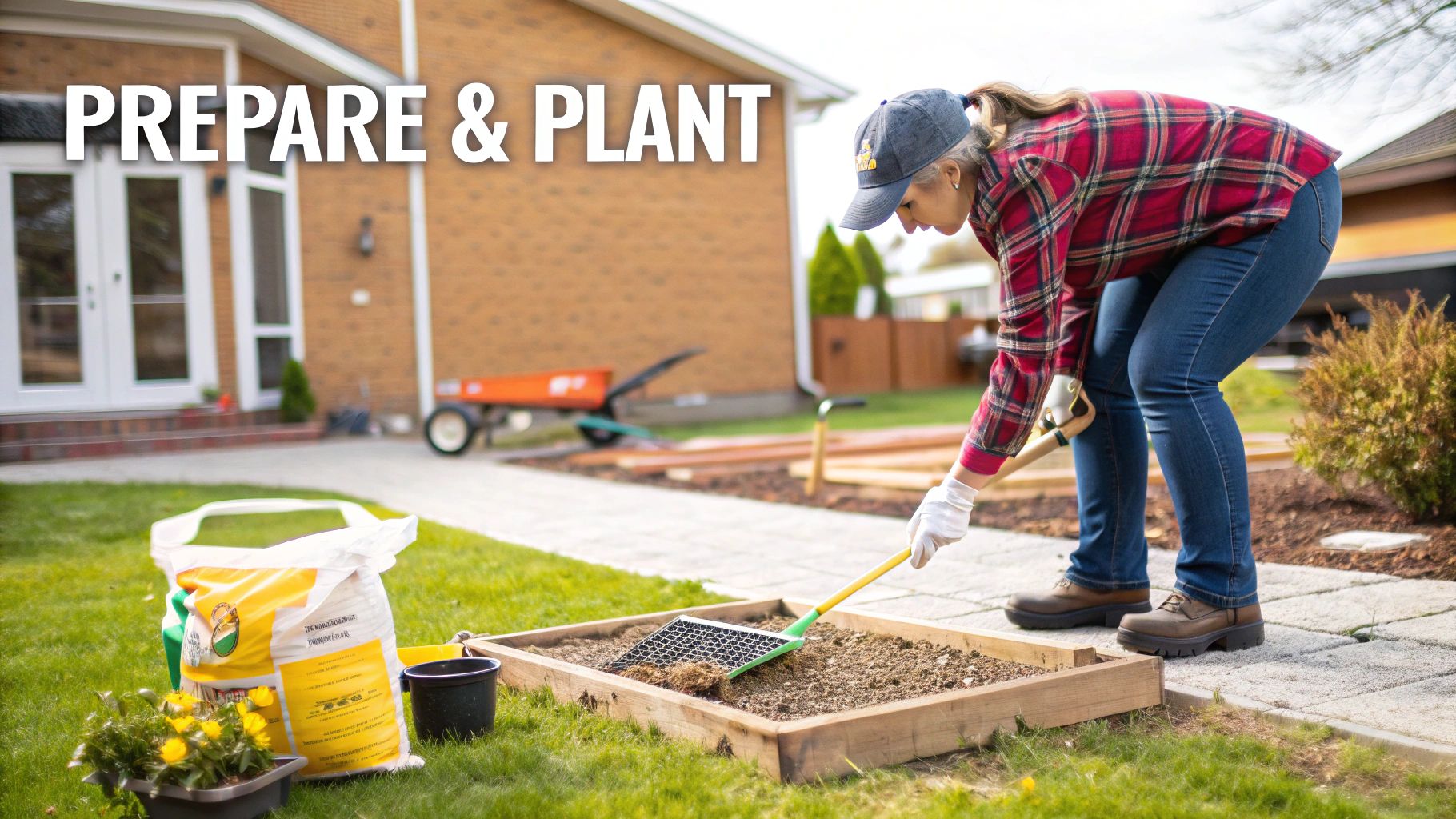
Once you’ve nailed down the perfect fall planting window, it’s time for site preparation. A stunning wildflower meadow doesn’t come from simply tossing seeds to the wind; it starts with creating a welcoming space for them to grow. The goal is to give your seeds the best possible chance at success, and that means eliminating their competition first.
The single most important step is clearing the area of all existing grass and weeds. Aggressive turf like Bermuda and St. Augustine are notorious for choking out delicate wildflower seedlings by hogging sunlight, water, and nutrients. For larger commercial properties in Harlingen or San Antonio, bringing in a professional crew to clear the site is the only efficient and effective solution.
Prepare Your Soil
Next, you need to understand your soil. South Texas soils are a mixed bag, from heavy clay to fine sand, and each requires a different approach. Learning how to test soil pH can provide valuable information about what it needs to support a vibrant bloom.
Fortunately, most native wildflowers are tough and don’t need heavily amended soil. Still, professional prep goes a long way.
- Clay Soil: Clay holds moisture well but compacts easily, making it tough for roots to penetrate. Lightly tilling or aerating the top few inches will loosen it effectively.
- Sandy Soil: Sandy soil drains quickly, which can be a problem for seeds that need consistent moisture. Mixing in a thin layer of quality compost will improve its water retention.
Remember, soil preparation isn't just about feeding the plants. It's about creating the right physical structure for germination. You must have good seed-to-soil contact to achieve a thick, beautiful meadow.
Sowing the Seeds for Success
With a clean slate, you're ready to sow. Here’s a professional tip to avoid patchy spots: mix your seeds with sand. A 4:1 ratio of sand to seed is a solid starting point. This trick helps you broadcast seeds much more evenly across the prepared site.
This infographic breaks down the planting timelines required across Texas's diverse climate zones.
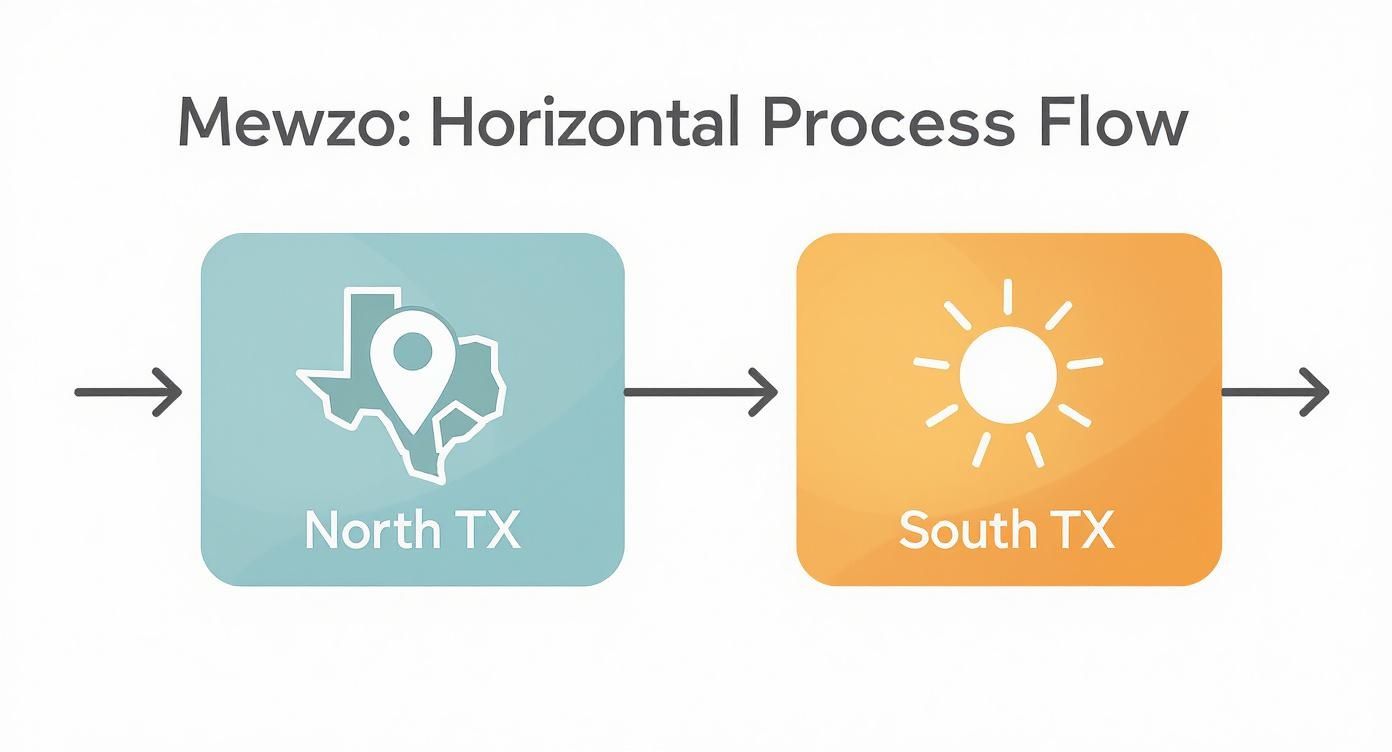
As you can see, the intense South Texas sun makes a fall planting strategy essential, whereas North Texas can get away with more flexibility.
Last, gently press the seeds into the soil by walking over the area or, for a more uniform finish, using a lawn roller. This step is critical; it ensures the seeds are snug against the soil, where they can absorb moisture and germinate. For larger commercial and residential projects, hydroseeding is a fantastic solution. This technique sprays a mix of seed, mulch, and fertilizer that guarantees perfect seed contact and gives your wildflowers a running start.
Selecting The Best Wildflower Seeds For South Texas
Great timing and preparation are only part of the solution; you also need the right seeds. South Texas throws a lot at our plants—scorching heat, drought, and sudden downpours. This means your wildflowers must be more than just pretty; they have to be tough.
We cannot stress this enough: choosing native and adapted species is the single most important decision for long-term success. It’s the difference between a wildflower patch that struggles and one that puts on a breathtaking show year after year.
Avoid generic "wildflower mix" bags from big-box stores. They are often packed with seeds that simply can't handle the intense conditions from Corpus Christi down to the Rio Grande Valley. For a landscape that thrives, you need a seed mix specifically designed for our South Texas climate.
Top Performers For Our Region
So, what should you be looking for? Focus on species known for their resilience and local suitability. These champions perform beautifully time and time again across South Texas:
- Texas Bluebonnet (Lupinus texensis): It’s our state flower for a reason. This fall-planted superstar thrives in our sunny, well-drained soils.
- Indian Paintbrush (Castilleja indivisa): This vibrant red flower often grows alongside bluebonnets, creating that iconic Texas scene.
- Black-eyed Susan (Rudbeckia hirta): A wonderfully cheerful and drought-tolerant bloomer that brings a splash of gold to any meadow.
- Pink Evening Primrose (Oenothera speciosa): Don’t let its delicate pink flowers fool you. This hardy perennial spreads easily and handles summer heat with grace.
Here's a quick reference table with a few more fantastic options we often recommend for local landscapes.
| Wildflower Name | Primary Bloom Season | Sun Needs | Drought Tolerance |
|---|---|---|---|
| Firewheel (Gaillardia pulchella) | Spring, Summer | Full Sun | High |
| Mealy Blue Sage (Salvia farinacea) | Spring, Fall | Full Sun | High |
| Purple Coneflower (Echinacea purpurea) | Summer | Full to Part Sun | Medium |
| Mexican Hat (Ratida columnifera) | Summer, Fall | Full Sun | High |
Choosing species naturally suited to our climate sets your project up for success from the very beginning.
A thoughtfully designed seed mix is an investment in long-term success. It ensures your landscape is populated with species genetically programmed to flourish in our local ecosystem, reducing failure and maximizing beauty.
At Fischer Landscaping, we are meticulous about sourcing only the highest-quality, region-appropriate seeds. Our deep understanding of local ecology allows us to create stunning, sustainable wildflower meadows that become a highlight of any property. This commitment to quality is the foundation of our approach to landscaping in Brownsville and the surrounding areas. Don’t settle for a generic mix—let our team build a wildflower landscape perfectly suited for your South Texas property.
More Than Just Beauty: The Ecological Impact of Native Wildflowers
When you plant a wildflower meadow, you're doing much more than adding color to your property. You're taking an active role in environmental stewardship, restoring a small piece of the native Texas ecosystem.
This simple act transforms a landscaping project into a powerful contribution to local ecology. For anyone managing a property in South Texas, from a home in San Antonio to a commercial space in Brownsville, this is an opportunity to directly support the health of our local environment.
A Lifeline for Local Pollinators
Wildflowers are a critical food source, offering nectar and pollen for pollinators like bees, butterflies, and hummingbirds. When the native seeds you planted in the fall burst into bloom, you're providing a much-needed feast that helps these populations thrive. Healthy pollinators mean healthy gardens and agricultural systems for everyone.
A thriving wildflower meadow isn't just a garden; it's a living ecosystem. It becomes a sanctuary for local wildlife, offering shelter and nourishment that a traditional turf lawn cannot match.
The timing here is key. The Texas Parks and Wildlife Department emphasizes this fall schedule for a reason. Planting in the cooler months gives native seeds the natural chilling period they need for germination. This sets the stage for a spectacular spring bloom and ensures a reliable food source for the bees, birds, and other wildlife that depend on these native plants.
At Fischer Landscaping, we are passionate about sustainable landscaping practices. We specialize in designing landscapes that aren't just stunning but are also ecologically responsible. Let our team help you create a vibrant meadow that elevates your property and nurtures the natural beauty of South Texas.
Achieve a Flawless Wildflower Meadow With Professional Landscaping
Bringing a wildflower meadow to life is an incredibly rewarding project that adds significant value and curb appeal to any property. We've covered the essentials: plant native seeds in the fall and ensure your site is properly prepared. While a small DIY project can be fun, achieving a lush, postcard-perfect field of flowers benefits greatly from a professional hand.
Turning a patch of dirt into a vibrant meadow isn't just about scattering seeds. That’s where we come in.
Why Partner with a Landscaping Professional?
At Fischer Landscaping, we understand South Texas soil and climate. We know the specific challenges of creating stunning landscapes in Corpus Christi, San Antonio, Brownsville, and Harlingen. Our experience means we can sidestep common pitfalls and build a beautiful, thriving wildflower display for your property efficiently and effectively.
A truly flawless meadow comes down to expert site preparation and seeding. Proper grading, soil amendments, and precise seed application prevent patchy growth and poor germination, giving you that uniform, breathtaking carpet of color.
And if your vision includes more than just wildflowers, we bring that same level of expertise to our turf installation services. We ensure every inch of your property looks its absolute best.
Ready to skip the guesswork and start planning your perfect Texas wildflower meadow? Reach out to Fischer Landscaping today for a professional consultation and quote.
Answering Your Texas Wildflower Questions
Even the most seasoned property managers have questions when starting a new wildflower project. Here are a couple of the most common ones we hear from clients looking to add native color to their landscapes.
Can I just toss seeds onto my lawn?
It’s a tempting shortcut, but unfortunately, it’s a recipe for disappointment. Your established lawn, whether St. Augustine or Bermuda grass, is incredibly competitive. It will almost certainly outcompete and smother any delicate wildflower seedlings that try to sprout.
For wildflowers to have a fighting chance, they need direct seed-to-soil contact. This requires professionally clearing the area first, removing all existing grass and weeds to give your new seeds the sun, water, and space they need to thrive.
When will I see blooms after a fall planting?
This is where a little patience pays off beautifully. When you plant native Texas wildflower seeds in the fall, they spend the winter months quietly establishing strong root systems underground.
Come springtime, you'll be rewarded for your efforts. Most species will burst into bloom between March and May, though the exact timing depends on the specific flowers in your mix and the local weather. For more tips as you go, you can explore additional wildflower insights.
Ready to create a vibrant, low-maintenance wildflower meadow without the guesswork? The team at Fischer Landscaping has the local expertise to ensure your project succeeds. Contact us today for a professional consultation and quote!