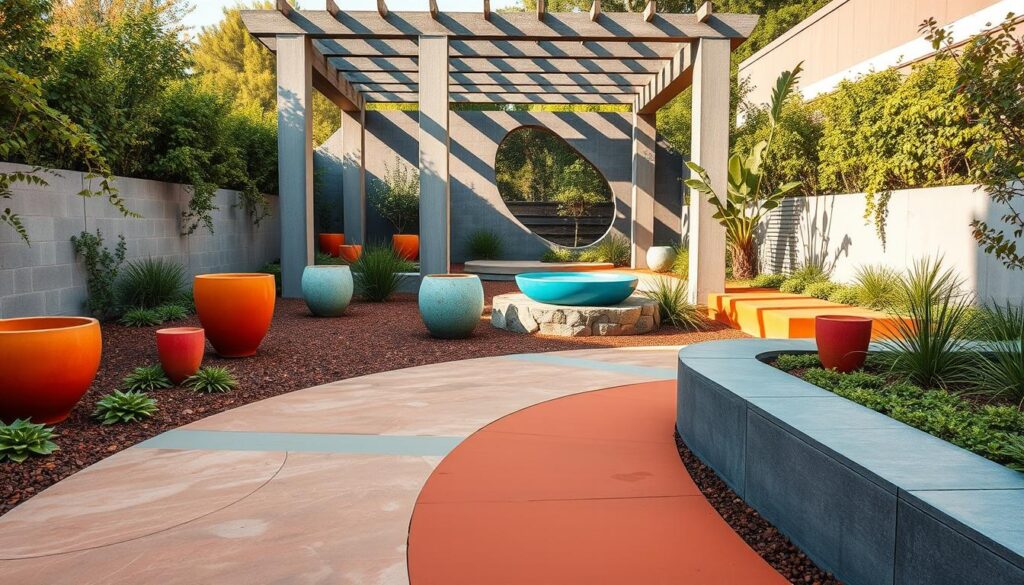
Imagine a vibrant, thriving landscape that perfectly captures the rugged beauty of South Texas, all while demanding less water, less maintenance, and fewer chemicals. This isn't a dream; it's the practical, beautiful reality of native Texas plants landscaping. For homeowners, property managers, and businesses in Corpus Christi, San Antonio, and across the Rio Grande Valley, embracing plants evolved to thrive in our unique climate is the smartest investment for a sustainable and stunning outdoor space. These resilient species offer year-round color, texture, and life, creating a beautiful habitat for beneficial pollinators like birds and butterflies.
This guide moves beyond simple plant identification. We will explore eight exceptional native plants, from the iconic Texas Bluebonnet to the drought-defying Flame Acanthus, providing the practical insights you need to build a landscape that is both beautiful and built to last. You will learn how each plant functions within a South Texas garden and how they solve common landscaping challenges like intense sun, poor soil, and water restrictions. We'll show you how professional design and installation can elevate these native gems into a cohesive, breathtaking garden retreat that conserves resources and significantly increases your property value.
1. Texas Bluebonnet (Lupinus texensis)
No list of native Texas plants for landscaping is complete without the iconic Texas Bluebonnet. As the official state flower, this annual wildflower embodies Texas pride and offers a stunning, low-maintenance display of vibrant blue spikes each spring. Its deep cultural roots are matched by its practical benefits for modern landscapes in areas from Corpus Christi to San Antonio.
Why Choose Texas Bluebonnet?
The Bluebonnet is more than just a beautiful flower; it's a resilient and beneficial addition to any landscape. As a legume, it fixes nitrogen in the soil, naturally improving its fertility for other plants. It thrives in the full sun and well-drained soils characteristic of South Texas, making it an excellent choice for xeriscaping and water-conscious garden designs. Its ability to create a dense, colorful carpet of blue from March to May provides unmatched seasonal impact with minimal effort.
This summary box highlights the key characteristics that make the Bluebonnet a staple in native Texas plant landscaping.
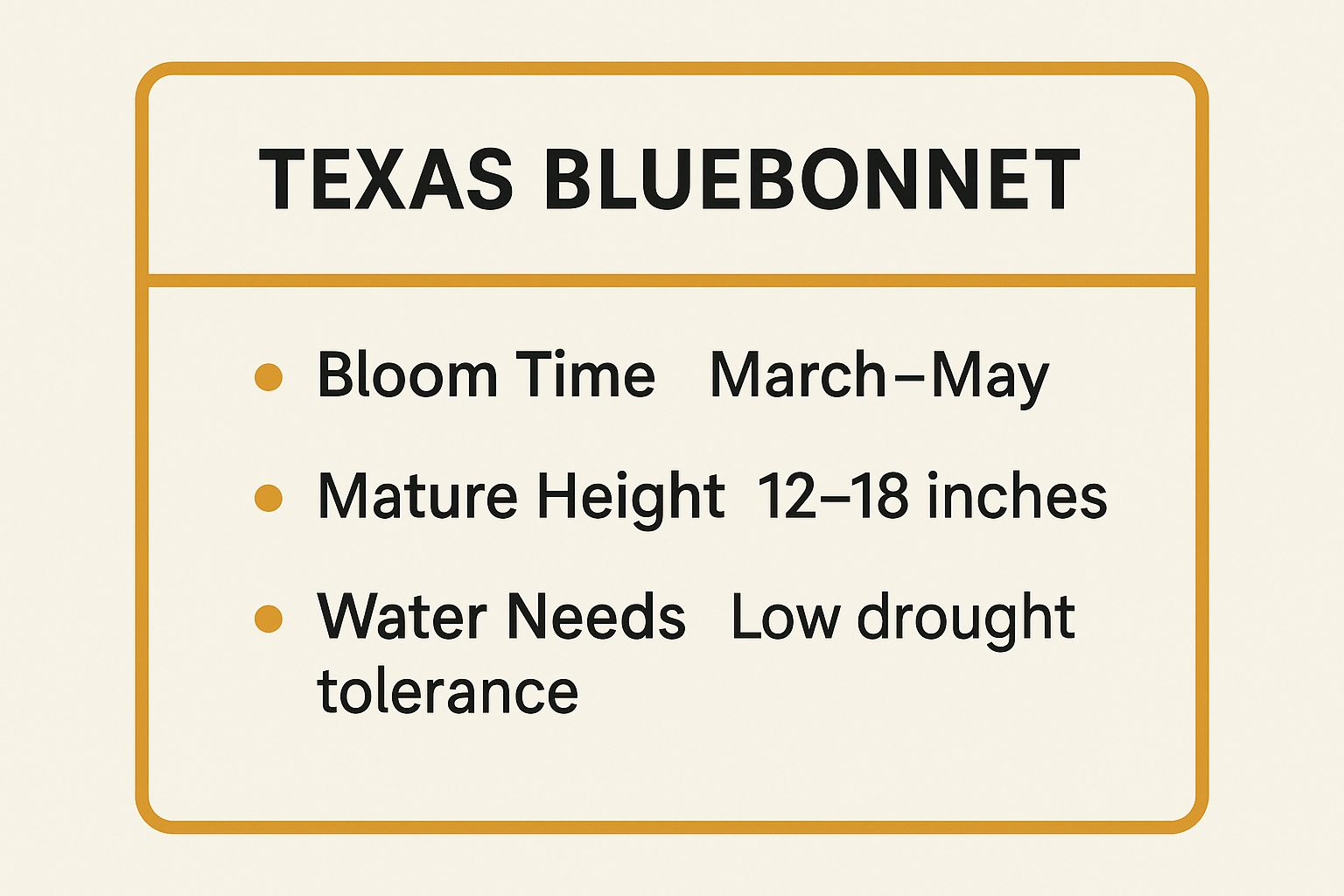
These characteristics confirm its suitability for low-water, high-sun environments, making it an ideal candidate for property owners seeking beautiful yet sustainable landscaping solutions.
Practical Tips for Planting
Achieving the breathtaking displays seen along Texas highways requires proper timing and technique. For best results in your yard:
- Plant in the Fall: Sow seeds between September and early December. This allows the plant's rosette to establish strong roots over the winter for a robust spring bloom.
- Ensure Full Sun and Drainage: Bluebonnets will not tolerate "wet feet." Select a location that receives at least eight hours of direct sunlight and has excellent drainage to prevent root rot.
- Prepare Seeds for Germination: Bluebonnet seeds have a tough outer coat. You can either purchase pre-scarified seeds or gently abrade them with sandpaper to improve germination rates.
- Let Them Reseed: After the flowers fade, allow the seed pods to mature and dry on the plant. Once they burst, you can mow the area, ensuring a new crop for the following spring.
2. Autumn Sage (Salvia greggii)
For a vibrant, long-lasting bloom that thrives in the South Texas heat, Autumn Sage is an indispensable choice for native texas plants landscaping. This compact, woody perennial is a favorite from San Antonio to Brownsville for its nearly year-round display of delicate tubular flowers. Its extreme drought tolerance and ability to attract hummingbirds and butterflies make it a functional and beautiful workhorse in any garden setting.
Why Choose Autumn Sage?
Autumn Sage offers incredible versatility and resilience, making it a cornerstone of sustainable Texas landscapes. It excels in full sun and well-drained soils, requiring minimal water once established—a major benefit for water-conscious property owners. Available in a stunning array of colors including red, pink, coral, and white, it provides continuous color when many other plants fade in the summer heat. Its compact 2-3 foot size makes it perfect for borders, container gardens, or mass plantings.
This summary box highlights the key characteristics that make Autumn Sage a premier choice for low-maintenance, high-impact landscaping.
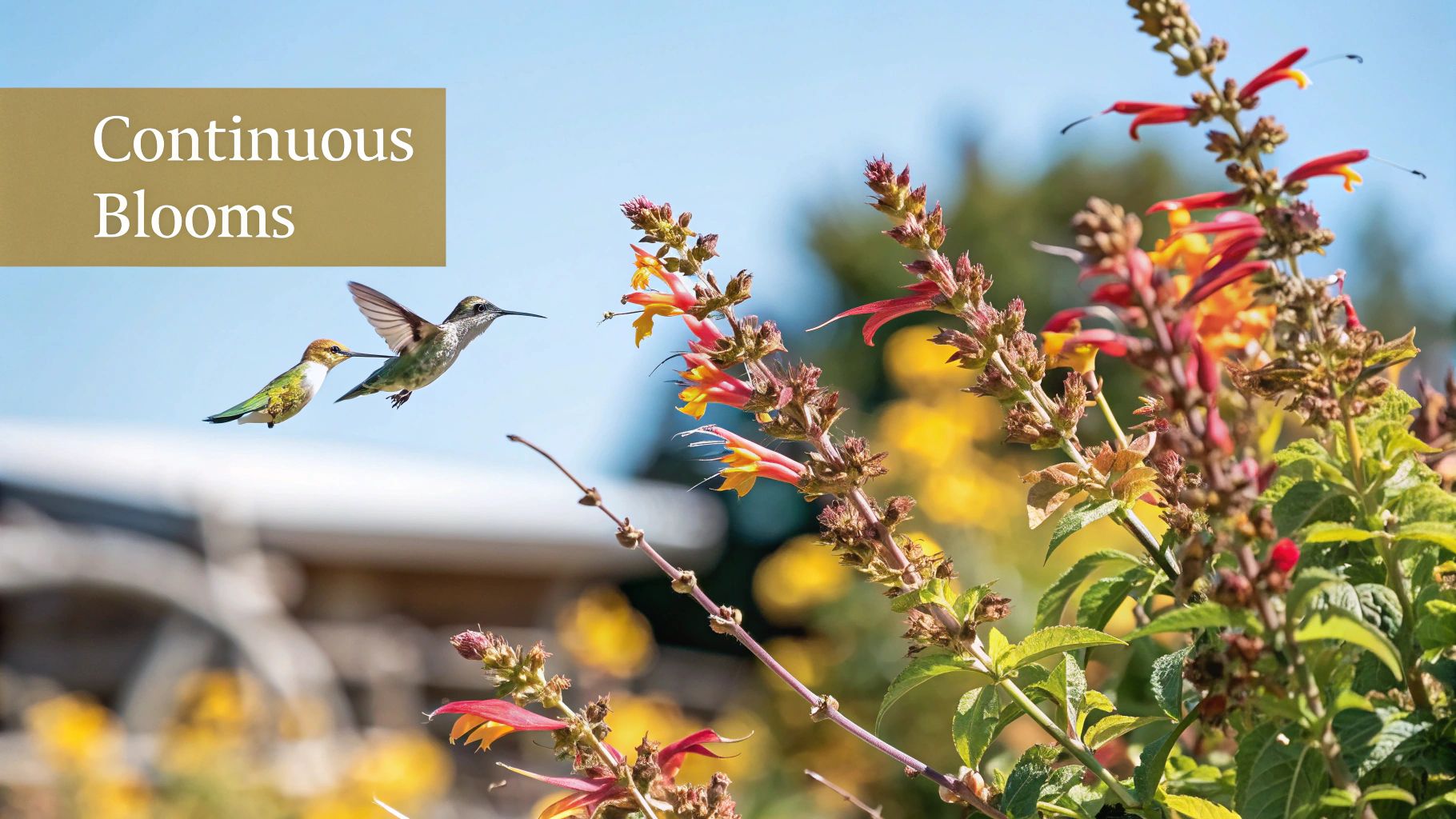
These characteristics confirm its status as a top performer for xeriscaping and pollinator gardens, providing reliable beauty with very little effort. Integrating this plant is a key part of thoughtful residential landscaping.
Practical Tips for Planting
To ensure your Autumn Sage thrives and provides a constant source of color, follow these simple guidelines:
- Plant in Full Sun: Choose a location that gets at least six to eight hours of direct sunlight daily for the most prolific blooms and robust growth.
- Ensure Excellent Drainage: This plant is susceptible to root rot in soggy soil. Amend heavy clay soils with compost or plant in raised beds to improve drainage.
- Prune Annually: In late winter or early spring, trim the entire plant back by about one-third. This encourages a fuller, more compact shape and prevents it from becoming woody and sparse.
- Water Wisely: Water regularly during its first growing season to establish a deep root system. Afterward, it becomes highly drought-tolerant and only needs occasional deep watering during extended dry spells.
3. Texas Mountain Laurel (Sophora secundiflora)
A true showstopper in any South Texas landscape, the Texas Mountain Laurel offers year-round beauty and an unforgettable spring fragrance. This evergreen tree or large shrub is celebrated for its dense, glossy foliage and spectacular drooping clusters of purple flowers that smell remarkably like grape soda. Native to Central and West Texas, its slow-growing, resilient nature makes it a prized addition for properties from the Hill Country to coastal areas like Corpus Christi.
Why Choose Texas Mountain Laurel?
The Texas Mountain Laurel provides significant value beyond its stunning floral display. As a drought-tolerant evergreen, it offers year-round structure and screening, making it an excellent choice for privacy hedges or as an elegant specimen tree. It thrives in the full sun and alkaline, well-draining soils common throughout South Texas, embodying the principles of water-wise, native Texas plants landscaping. Its ability to perform beautifully with minimal intervention makes it a long-term, high-value investment for both residential and commercial properties.
This summary box highlights the key characteristics that make Texas Mountain Laurel a cornerstone of resilient landscaping.
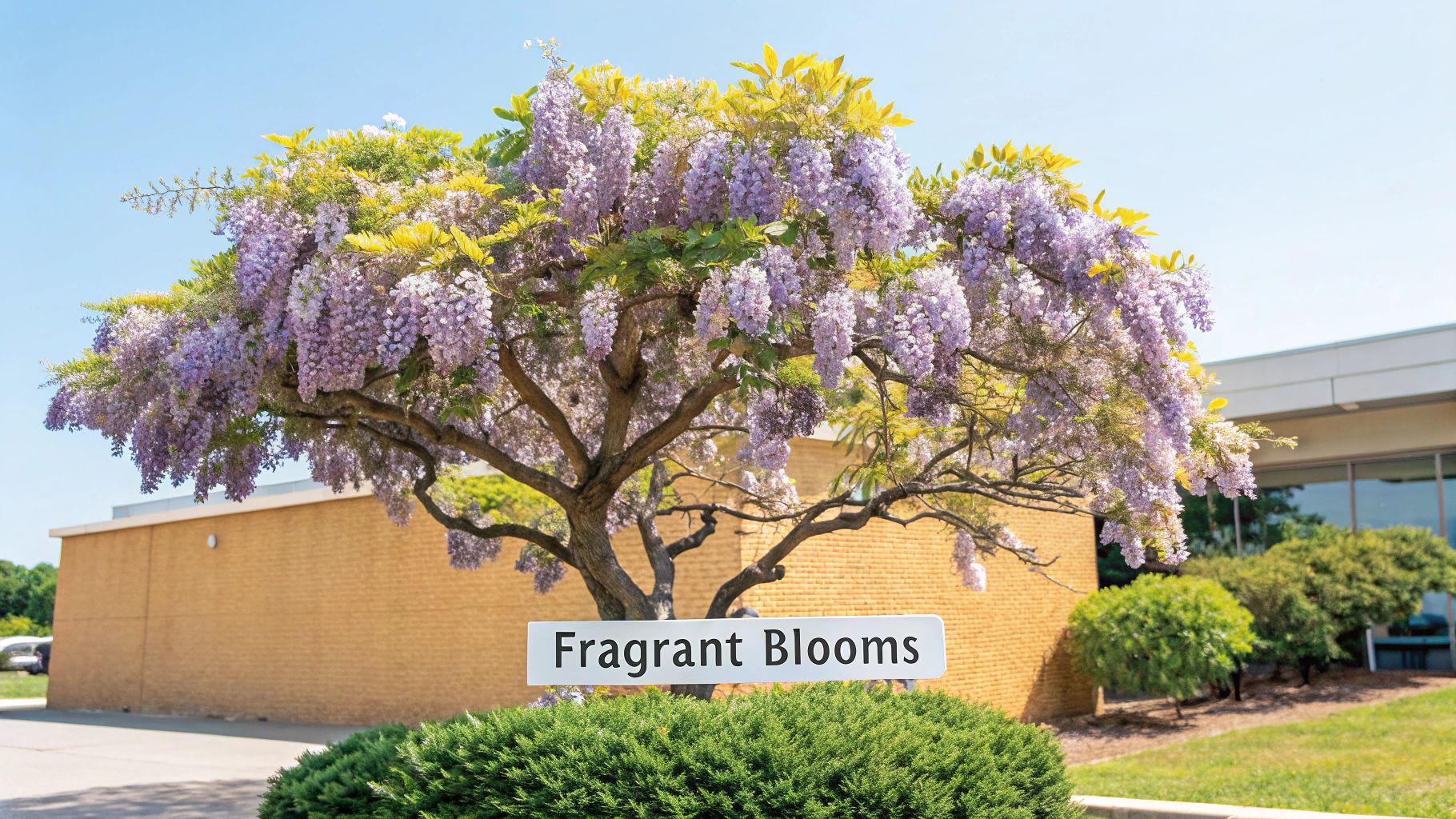
These traits confirm its status as a durable, low-maintenance, and highly ornamental choice for property owners seeking to create a sophisticated and sustainable outdoor environment.
Practical Tips for Planting
Patience and proper placement are key to helping this slow-growing native thrive. To ensure your Texas Mountain Laurel becomes a landscape highlight:
- Prioritize Drainage: This plant is highly susceptible to root rot. Plant it in well-draining soil and avoid low-lying areas where water collects. Amending heavy clay is essential for success.
- Provide Full Sun: For the most prolific blooms and a compact, dense form, select a location that receives at least six to eight hours of direct sunlight daily.
- Water Wisely: Water deeply but infrequently after it is established. This encourages deep root growth, enhancing its natural drought tolerance.
- Consider Safety: The bright red seeds found in the pods are highly toxic if ingested. Remove the seed pods after flowering, especially in areas frequented by children or pets.
- Plan for the Long Term: Texas Mountain Laurel grows slowly, but its longevity and beauty are worth the wait. Purchasing a container-grown specimen from a reputable nursery can give you a significant head start.
4. Turk's Cap (Malvaviscus arboreus var. drummondii)
For property owners seeking vibrant color in shady areas, Turk's Cap is an indispensable powerhouse in native Texas plants landscaping. This adaptable perennial shrub offers unique, turban-shaped red flowers that bloom continuously from spring until the first frost. Its ability to thrive in partial to full shade makes it a rare and valuable asset for challenging spots under tree canopies—a common problem for landscapes in both Corpus Christi and San Antonio.
Why Choose Turk's Cap?
Turk's Cap offers a unique combination of aesthetic appeal and ecological function, particularly for difficult, low-light areas. Its brilliant red flowers are a magnet for hummingbirds and butterflies, while its small, edible red fruits provide a food source for birds and other wildlife, turning your landscape into a habitat hub. Unlike many flowering plants, it excels in shaded conditions where others fail, providing lush foliage and consistent blooms. This makes it an ideal, low-maintenance solution for adding life to north-facing garden beds or areas beneath mature oak trees.
This summary box highlights the key characteristics that make Turk's Cap a staple in native Texas plant landscaping.
These characteristics confirm its suitability for diverse light conditions, establishing it as a go-to plant for creating dynamic, wildlife-friendly gardens.
Practical Tips for Planting
To maximize the impact of Turk's Cap in your landscape, proper placement and care are key. Follow these professional tips for a thriving plant:
- Embrace the Shade: While it can tolerate sun, Turk's Cap performs best in partial to full shade, especially in the intense South Texas heat. Planting it under the protection of larger trees or on the east side of a structure will yield the best results.
- Prune for Health: For a more compact and bushier shape, cut the plant back to about 6-12 inches from the ground in late winter or early spring before new growth appears.
- Provide Adequate Space: When creating a mass planting for a lush, continuous hedge, space individual plants approximately four to five feet apart to allow them to fill in without overcrowding.
- Mulch and Water: Apply a generous layer of mulch to help retain soil moisture and regulate temperature. Water regularly during its first year; once established, it is moderately drought-tolerant.
5. Blackfoot Daisy (Melampodium leucanthum)
For a plant that truly embodies the tough, resilient spirit of Texas, the Blackfoot Daisy is an unparalleled choice. This low-growing perennial native to West and Central Texas produces a nearly endless supply of cheerful white, daisy-like flowers with bright yellow centers. It forms a compact mound that thrives in the heat and sun, making it a cornerstone for sustainable, native Texas plants landscaping designs that require minimal intervention and maximum visual appeal.
Why Choose Blackfoot Daisy?
The Blackfoot Daisy is the definition of a workhorse plant, offering beauty in the harshest conditions. It excels in full sun and requires exceptionally well-drained soil, making it perfect for rock gardens, xeriscapes, and border plantings where other flowers might struggle. Its ability to bloom from spring through fall provides consistent color and texture. This drought-tolerant powerhouse is a go-to for water-conscious garden designs and commercial properties in places like Harlingen and Brownsville aiming for vibrant, low-maintenance curb appeal.
This summary box highlights the key characteristics that make the Blackfoot Daisy a staple in native Texas plant landscaping.
These characteristics confirm its suitability for low-water, high-sun environments, making it an ideal candidate for property owners seeking beautiful yet sustainable landscaping solutions. It's a key component in professional commercial and residential landscaping, particularly for those looking to implement resilient and attractive designs.
Practical Tips for Planting
To ensure your Blackfoot Daisy thrives and becomes a long-lasting feature in your garden, proper planting and care are essential. For the best results in your yard:
- Prioritize Drainage: This is the most critical factor. Blackfoot Daisies will not survive in heavy, wet soil. Amend clay soils with sand, compost, or gravel to improve drainage significantly.
- Plant in Full Sun: For the most prolific blooms, select a location that receives at least eight hours of direct sunlight daily.
- Water Sparingly: Once established, this plant is extremely drought-tolerant. Overwatering is the most common reason for its failure, so allow the soil to dry out completely between waterings.
- Encourage Reblooming: After a major bloom cycle, shear the plant back by about half. This will encourage new growth and another flush of flowers, keeping it neat and tidy.
6. Flame Acanthus (Anisacanthus quadrifidus var. wrightii)
For a burst of fiery color during the hottest Texas months, Flame Acanthus is an unparalleled choice in native Texas plants landscaping. Also known as Wright's Desert Honeysuckle, this perennial shrub produces a profusion of brilliant orange-red tubular flowers from summer through fall, offering a vibrant spectacle when many other plants have surrendered to the heat. Its resilience and striking beauty make it a cornerstone of sustainable garden design from San Antonio to the Rio Grande Valley.
Why Choose Flame Acanthus?
Flame Acanthus is the quintessential late-season performer, providing critical nectar for hummingbirds and butterflies when other sources are scarce. This drought-tolerant hero thrives in the full, intense sun and well-drained soils typical of South Texas, making it a perfect candidate for xeriscaping and low-water garden beds. Its dense, shrubby growth, reaching 3-5 feet tall and wide, also provides excellent cover for small wildlife, adding an ecological benefit to its stunning visual appeal.
This summary box highlights the key characteristics that make Flame Acanthus a staple in native Texas plant landscaping.
These characteristics confirm its suitability for high-heat, low-moisture environments, establishing it as a top choice for property owners seeking vibrant, yet sustainable, landscaping solutions.
Practical Tips for Planting
To maximize the impact of this hummingbird magnet in your landscape, proper placement and care are key.
- Plant in Full Sun: For the most prolific blooming, select a location that receives at least six to eight hours of direct sunlight daily.
- Prune in Late Winter: Cut the plant back to about six inches in late winter or early spring. This encourages a more compact, dense shape and promotes vigorous new growth for the blooming season.
- Establish, Then Let It Thrive: Water regularly during the first growing season to establish a deep root system. Once established, it becomes exceptionally drought-tolerant and requires minimal supplemental water.
- Create Pollinator Corridors: Plant Flame Acanthus in groups or pair it with other late-blooming natives like Autumn Sage to create a reliable food source for pollinators. It’s an ideal plant to place near a patio or window where you can enjoy the frequent hummingbird visits.
7. Mexican Feathergrass (Nassella tenuissima)
Mexican Feathergrass offers unparalleled grace and movement in a landscape, making it a standout choice among native Texas plants for landscaping. This ornamental perennial grass forms soft, fountain-like mounds of fine-textured foliage that sway with the slightest breeze. Its delicate, feathery seed heads create a shimmering, ethereal effect, adding texture and year-round visual interest to gardens from contemporary Austin designs to xeriscape installations in San Antonio.
Why Choose Mexican Feathergrass?
Beyond its aesthetic appeal, Mexican Feathergrass is a remarkably tough and adaptable plant. It is extremely drought-tolerant once established, thriving in the full sun and well-draining soils that define much of the South Texas climate. This resilience makes it a perfect component for water-wise gardens and low-maintenance commercial landscapes. Its soft texture provides a beautiful contrast to the bold, structural forms of agaves, yuccas, and large boulders, creating a dynamic and sophisticated planting composition.
This summary box highlights the key characteristics that make Mexican Feathergrass a staple in native Texas plant landscaping.
These characteristics confirm its suitability for low-water, high-sun environments, making it an ideal candidate for property owners seeking beautiful yet sustainable landscaping solutions.
Practical Tips for Planting
Proper placement and care will ensure this graceful grass thrives and enhances your landscape design.
- Plant in Full Sun: For the best growth and form, select a location that receives at least six to eight hours of direct sunlight daily.
- Ensure Excellent Drainage: This grass is intolerant of "wet feet" and heavy clay soils. Amending the soil to improve drainage is crucial for its long-term health.
- Annual Maintenance: In late winter or early spring, comb through the plant with your fingers or a rake to remove old, dead foliage. You can also trim it back to a few inches above the ground to encourage fresh growth.
- Mass for Impact: Plant Mexican Feathergrass in groups of three, five, or more to create a soft, flowing drift of texture. Spacing them 18 to 24 inches apart allows them to form a cohesive mass.
8. Possumhaw Holly (Ilex decidua)
For those seeking dramatic winter interest in their native Texas plants landscaping, the Possumhaw Holly is an unparalleled choice. This deciduous tree or large shrub offers a stunning, unexpected display when its branches, bare of leaves, are covered in brilliant red or orange berries. This unique characteristic provides critical food for wintering birds and creates a striking visual contrast against the muted tones of a dormant landscape, making it a celebrated feature in local parks in Corpus Christi and residential gardens alike.
Why Choose Possumhaw Holly?
Possumhaw Holly is a champion of adaptability and a cornerstone of four-season garden design. Unlike evergreen hollies, its deciduous nature puts its vibrant berries on full display, creating a minimalist yet colorful winter silhouette. It is incredibly versatile, thriving in both the wet, clay soils common in some South Texas areas and tolerating drought once established. This resilience makes it an excellent candidate for a variety of landscape applications, including being a standout specimen plant or a functional addition to a wildlife-friendly garden.
This summary box highlights the key characteristics that make Possumhaw Holly a staple in native Texas plant landscaping.
These characteristics confirm its suitability for diverse Texas conditions, offering property owners a beautiful, low-maintenance plant that supports local ecosystems and provides brilliant winter color.
Practical Tips for Planting
To ensure a breathtaking berry display, a few key steps are necessary. Follow these professional tips for a healthy and productive Possumhaw Holly:
- Plant Both Genders: Possumhaw is dioecious, meaning male and female flowers are on separate plants. Plant at least one male for every three to five female plants to ensure pollination and berry production.
- Choose the Right Location: While tolerant of many soil types, it performs best with adequate sun for berry production. Its ability to handle "wet feet" makes it one of the top choices for rain gardens or poorly drained areas. Its suitability for moist environments can be complemented by professionally installed water features on fischerlandscapingusa.com.
- Prune in Late Winter: If shaping is needed, prune in the late winter or very early spring before new growth emerges. This helps maintain its desired size and form without sacrificing the current season's berry show.
- Plan for Visibility: Position your Possumhaw where its winter berries can be enjoyed from a window or patio, providing a vibrant splash of color when the rest of the garden is asleep.
Native Texas Plants Landscaping Comparison
| Plant Name | Implementation Complexity | Resource Requirements | Expected Outcomes | Ideal Use Cases | Key Advantages |
|---|---|---|---|---|---|
| Texas Bluebonnet | Moderate – requires fall planting, seed scarification | Low water, full sun, well-drained soil | Vibrant blue spring blooms; nitrogen-fixing; attracts pollinators | Naturalized areas, meadows, low-maintenance landscapes | Drought-tolerant, self-seeding, erosion control |
| Autumn Sage | Low – easy to establish with minimal pruning | Low to moderate water; full sun to partial shade | Continuous blooms spring to frost; attracts hummingbirds and butterflies | Xeriscapes, borders, containers, multi-season interest | Heat tolerant, deer resistant, long bloom period |
| Texas Mountain Laurel | High – slow-growing tree; needs well-drained soil | Low water; full sun to partial shade | Evergreen with fragrant purple blooms in spring; dense screening | Specimen tree, screens, accent plant | Evergreen, drought-tolerant, long-lived, fragrant blooms |
| Turk's Cap | Low to moderate – tolerant of shade; requires pruning | Moderate water; partial to full shade | Continuous red blooms late spring to frost; attracts hummingbirds | Shade gardens, habitat gardens in shady areas | Shade tolerant, deer resistant, edible fruits |
| Blackfoot Daisy | Low – requires excellent drainage; short-lived perennial | Very low water; full sun | Nearly year-round white daisy blooms; self-seeds | Rock gardens, xeriscapes, borders | Extremely drought-tolerant, low maintenance, deer resistant |
| Flame Acanthus | Moderate – seasonal pruning needed; prefers well-drained soil | Low water; full sun to partial shade | Bright orange-red blooms summer to fall; hummingbird magnet | Late-season color, xeriscapes, pollinator gardens | Heat tolerant, blooms in hottest months, deer resistant |
| Mexican Feathergrass | Low to moderate – may require grooming to maintain form | Low water; full sun | Fine textured, flowing grass with feathery seed heads year-round | Contemporary, xeric, cottage gardens | Adds texture and movement, drought-tolerant, deer resistant |
| Possumhaw Holly | Moderate – requires male and female plants; pruning for shape | Moderate water; full sun to partial shade | Winter berries provide bird food; attractive winter interest | Wildlife gardens, winter interest plantings | Winter berries, adaptable to wet/dry soils, attracts birds |
Bring Your Native Texas Landscape to Life with Professional Design
Embracing native Texas plants landscaping is a strategic investment in the beauty, sustainability, and resilience of your property. We've explored a selection of hardy and stunning plants, from the iconic Texas Bluebonnet to the shade-loving Turk's Cap and the striking Possumhaw Holly. Each offers a unique contribution, transforming your garden into a low-maintenance, water-wise oasis that supports local wildlife and thrives in the demanding South Texas climate.
However, the true potential of these native species is unlocked through thoughtful, professional design that considers the complete ecosystem of your property. It's about more than just placing plants in the ground; it's about creating a harmonious and functional outdoor space that endures.
From Plant List to Master Plan
A successful landscape integrates individual plants into a cohesive vision. Professional design is essential for:
- Strategic Placement: Understanding the sun exposure, soil type, and moisture levels of your specific location is critical. A Flame Acanthus will flourish in full sun, while a Turk's Cap prefers a shadier spot. A professional ensures every plant is positioned for optimal health and visual impact.
- Year-Round Interest: A well-designed garden offers visual appeal throughout the seasons. Combining the spring blooms of the Texas Mountain Laurel with the fall color of Autumn Sage and the winter berries of the Possumhaw Holly creates a dynamic, ever-changing landscape.
- Integrating Hardscapes: Native plants are beautifully complemented by functional hardscaping elements. Stone pathways, retaining walls, and custom patios not only enhance usability but also provide structure and contrast. For comprehensive landscape transformations, consider the value of expert structural landscaping services to ensure foundational elements are built to last.
The Fischer Landscaping Advantage
While selecting plants is an exciting first step, executing a comprehensive design requires expertise. At Fischer Landscaping, we specialize in native Texas plants landscaping, serving clients from Corpus Christi to San Antonio. Our team understands the unique challenges and opportunities of the local environment, from soil composition in Harlingen to water conservation needs in Brownsville.
We move beyond basic planting to deliver holistic solutions. This includes soil amendment, professional installation, and the integration of sophisticated irrigation systems designed to maximize water efficiency. Our expertise ensures your landscape not only looks beautiful upon completion but is also set up for long-term success and sustainability. By partnering with Fischer Landscaping, you are investing in a vibrant, resilient, and valuable extension of your home or business.
Ready to transform your property with a stunning, sustainable, native Texas landscape? The experts at Fischer Landscaping combine deep horticultural knowledge with award-winning design to create outdoor spaces that thrive. Contact us today for a personalized quote and let's bring your vision to life.