A great garden bed is about so much more than just putting plants in the ground. It all comes down to smart planning—thinking through the location based on sunlight, doing serious soil preparation, and picking plants that actually thrive in our climate. The work you put in before you even think about planting is what will make or break your garden's success.
For homeowners and businesses from San Antonio to Brownsville, a professionally designed garden bed isn't just an aesthetic upgrade; it's a valuable investment in your property.
Building a Strong Foundation for Your Garden Beds
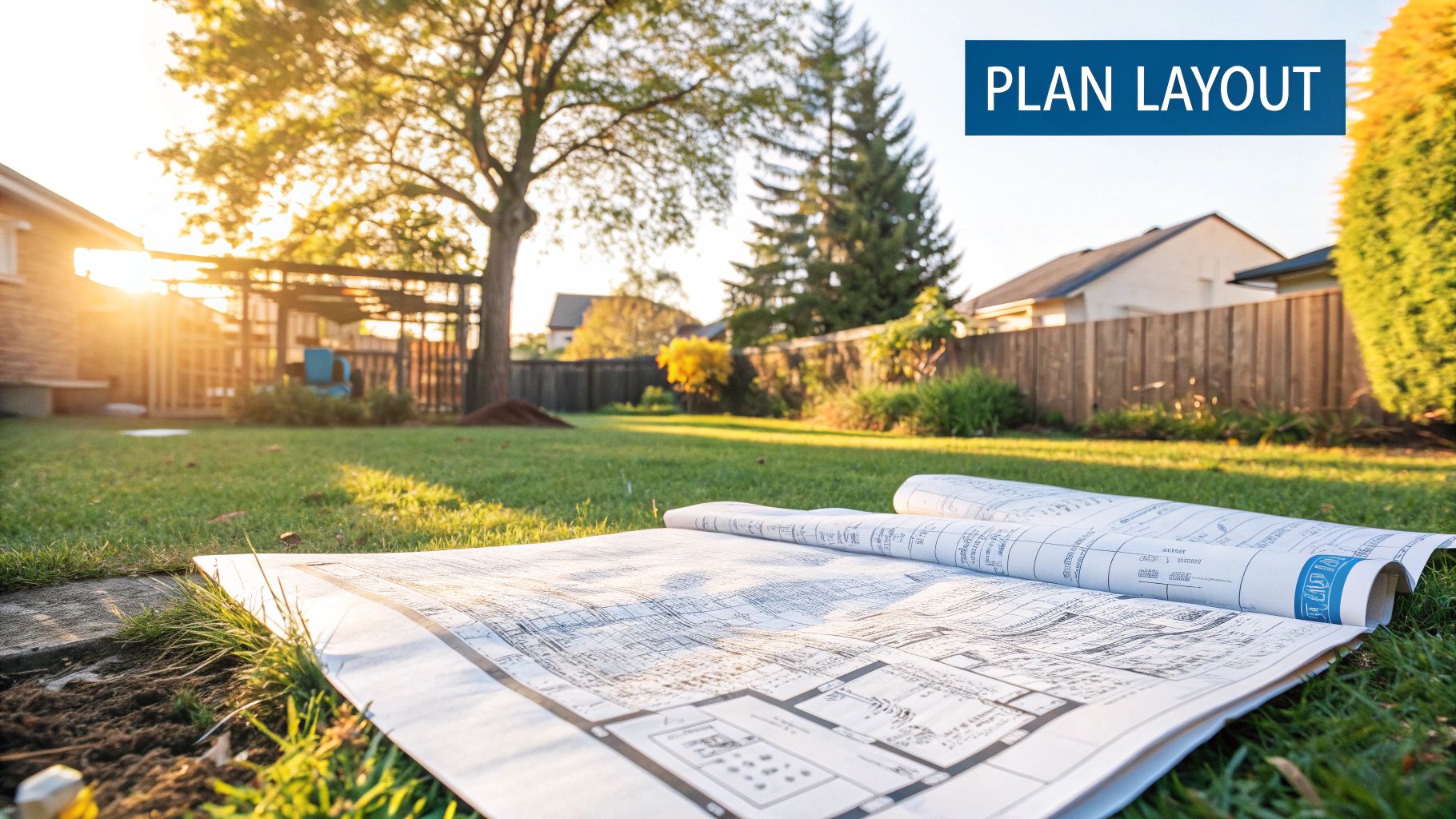
Long before the first seed goes into the soil, the fate of your garden is already being decided. A beautiful, resilient garden bed—the kind that truly boosts your property’s curb appeal—doesn't start with flowers, but with a solid, well-thought-out plan. For anyone with property from San Antonio down to Brownsville, getting this initial phase right is how you avoid headaches and costly mistakes later.
We're seeing a huge surge in homeowners and businesses wanting to create incredible outdoor spaces. It’s part of a massive trend; the global garden décor market is expected to be worth around USD 6.9 billion by 2025. This just shows how much people value their landscapes, and garden beds are a huge piece of that puzzle, mixing beauty with function.
Assess Your Site and Sunlight
The very first step is to become a student of your own yard. Spend a day just watching how the sun moves across your property. That spot that gets baked by the afternoon sun in Corpus Christi? It's perfect for heat-loving perennials, but it would fry delicate ferns in a matter of hours.
Here’s a quick breakdown of what to look for:
- Full Sun: This means an area gets 6 or more hours of direct, unfiltered sunlight. It’s the sweet spot for most flowering plants and veggies.
- Partial Shade: We’re talking about 4-6 hours of sun. Ideally, this is gentle morning sun, giving plants a break from the brutal South Texas afternoon heat.
- Full Shade: Any spot with less than 4 hours of direct sun falls into this category. You'll need plants known for their interesting leaves and textures rather than big blooms.
Getting this right is the ultimate low-maintenance strategy. When plants are in the right location, they don't just survive—they thrive.
Prepare the Soil for Success
Let's be honest, South Texas soils can be a real handful. We’ve got everything from heavy, dense clay that holds water forever to sandy soil that can’t seem to hold a single nutrient. Just digging a hole and plopping a plant in is a surefire way to end up disappointed.
The secret is to create a rich, well-draining environment where roots have room to grow. Working high-quality organic compost into your native soil isn't just a suggestion; it's essential for long-term plant health. If you're building a more permanent, structured bed, it's worth learning about stone masonry techniques to create something truly lasting and beautiful.
A well-prepared garden bed is an investment in your landscape’s future. When you improve the soil structure and fertility right from the start, you’re creating an ecosystem that will need less water, fewer fertilizers, and a lot less work from you over the years.
At Fischer Landscaping, we create custom soil blends for our clients, matching the mix to their property and the specific plants they've chosen. It gives every garden the best possible head start.
Choose the Right Plants for the Right Place
Once your bed is built and the soil is ready, it's time for the fun part: choosing your plants. But this is where many people go wrong. They pick what looks good at the nursery without thinking about whether it can handle a South Texas summer. The key is selecting plants that are either native to our area or are well-adapted to our intense heat and unpredictable rainfall.
Here's a quick guide to help you get started.
South Texas Plant Selection Guide by Sunlight
This table is a great starting point for finding beautiful, resilient plants that will thrive in the specific light conditions of your garden beds.
| Sunlight Exposure | Recommended Perennials | Recommended Shrubs | Best For |
|---|---|---|---|
| Full Sun (6+ hrs) | Black-Eyed Susan, Lantana, Salvia, Esperanza | Texas Sage, Oleander, Pride of Barbados | Areas that need vibrant, all-day color and can handle intense heat. |
| Part Shade (4-6 hrs) | Turk's Cap, Columbine, Inland Sea Oats | American Beautyberry, Oakleaf Hydrangea | Spots with morning sun and afternoon shade, perfect for delicate blooms. |
| Full Shade (<4 hrs) | Ferns, Cast Iron Plant, Liriope | Fatsia, Aucuba | Under large trees or on the north side of a building where greenery is key. |
Remember, this is just a jumping-off point. The real magic happens when you start combining textures, colors, and bloom times to create a garden that has visual interest all year long. A professional landscape designer can help you create a cohesive and stunning planting plan.
Choosing the Right Structure for Your Landscape
The structure of your garden beds does more than just hold soil; it sets the entire tone for your landscape. For properties across South Texas, whether it’s a sprawling commercial lawn in Harlingen or a cozy backyard patio in Corpus Christi, picking the right structure is the first real step toward a garden bed that works for you, not against you.
You're really looking at two main paths: raised garden beds or professionally edged in-ground beds. Each has its own distinct personality and practical advantages, depending on your goals and the look you’re after.
The Case for Raised Garden Beds
Raised garden beds have exploded in popularity, and for very good reasons—especially here in South Texas. They offer a powerful, immediate fix for our region's often challenging soils, from heavy clay to sandy ground that just won't hold nutrients. By building up, you get total control over the soil your plants live in.
This elevation brings a few major wins to the table:
- Superior Drainage: When our famous downpours hit, raised beds ensure water drains away instead of drowning your plant roots—a notorious cause of root rot.
- Better Soil Aeration: The loose, high-quality soil mix you fill them with gives roots room to breathe and expand, which directly translates to healthier, more vigorous plants.
- Ergonomic Comfort: An elevated bed means less bending and kneeling, making planting and weeding much easier on your back.
While the concept isn't new, the recent surge in their use is tied to real results. A better soil environment often leads to more productive plants. It's not uncommon to see crop yields increase by as much as 20-30% in raised beds compared to conventional planting. If you're curious, you can learn more about the growth and trends of raised garden beds to see just how effective they are.
The Elegance of In-Ground Beds with Professional Edging
Raised beds have their practical perks, but nothing beats the seamless, flowing look of an in-ground garden bed that integrates perfectly with the surrounding lawn. The secret to pulling this off, however, is professional hardscape edging. Without a solid border, you'll be fighting a constant battle against encroaching grass and weeds, leaving you with a messy, undefined planting area.
For a clean, permanent line, you need materials that can stand up to our climate.
At Fischer Landscaping, we lean on durable materials like steel, natural stone, or masonry blocks for edging. These create crisp, clean lines that don't just define the garden—they form a real barrier against turf invasion, which dramatically cuts down on your long-term maintenance.
This approach is perfect for achieving that classic, manicured look or even a sleek, modern design. A well-defined in-ground bed looks intentional and polished, instantly boosting your property's curb appeal. The right edging, installed by our hardscaping services team, ensures your design stays sharp for years.
Ultimately, the choice between a raised structure or an in-ground bed comes down to your property, your personal style, and how much time you want to spend maintaining it. Whether you need the agricultural boost of a raised bed or the timeless appeal of a stone-edged garden, our landscape design services can help you build the perfect foundation.
Ready to figure out which structure is the best fit for your South Texas property? Contact Fischer Landscaping for a quote today.
Choosing Plants That Will Actually Thrive Here
With your garden beds built and ready, the fun part begins: choosing the plants. But here in South Texas, this isn't just about picking what looks pretty at the nursery. It’s a strategic choice. Our intense summer sun and boom-or-bust rain cycles demand plants that are genuinely tough and suited to our climate.
Choosing the right species is probably the single biggest factor in creating a landscape that doesn't demand constant attention. When you work with the local environment instead of fighting it, you get a garden that needs less water, fewer chemicals, and a lot less of your time. That's the heart of sustainable landscaping.
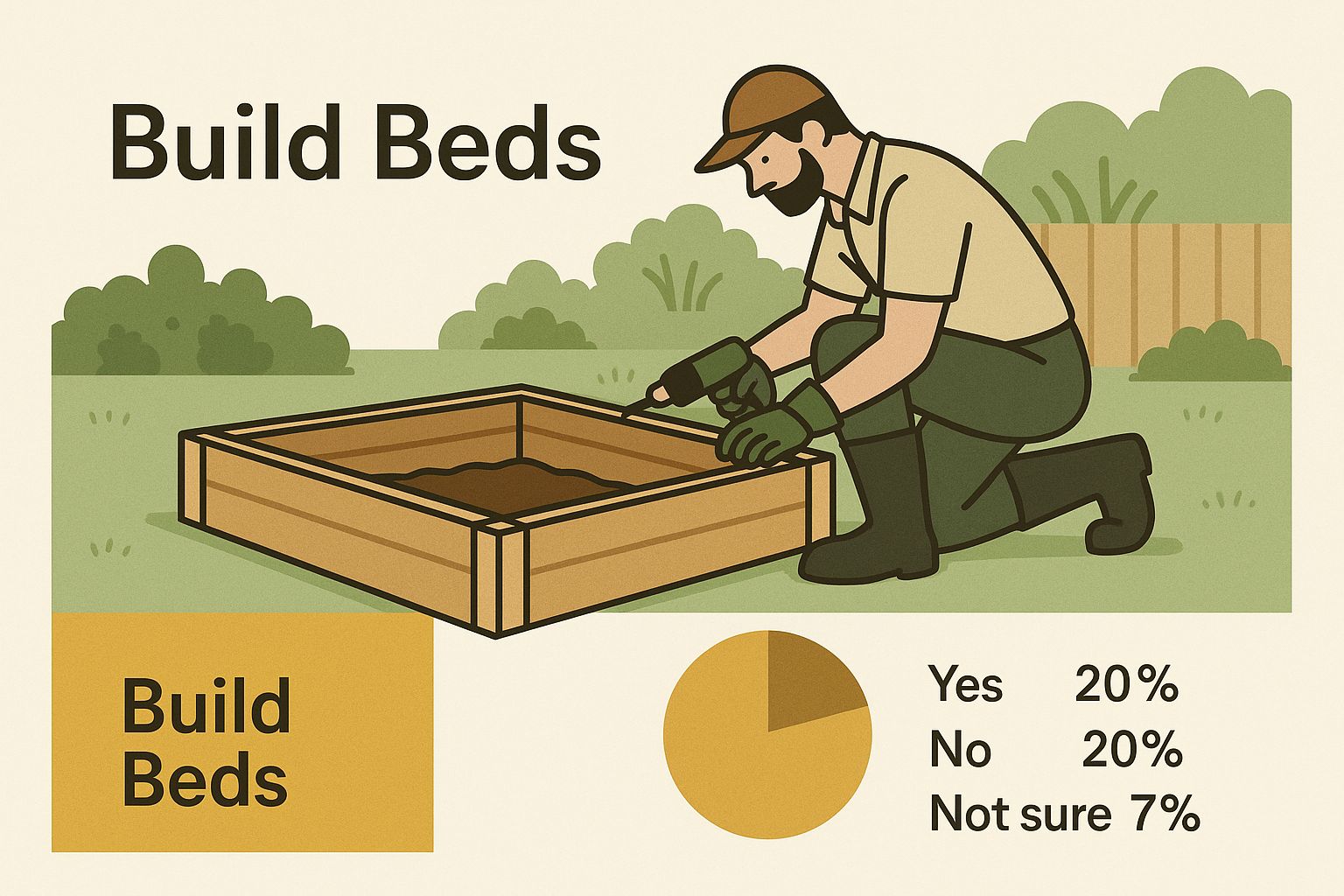
Raised Beds or In-Ground? A Quick Comparison
Before we dive into plant selection, let's talk about where they'll live. The choice between a raised bed and a traditional in-ground bed can make a huge difference, especially with our challenging clay soils. A lot of homeowners are leaning toward raised beds—the global market was valued at USD 68.1 million in 2021 and is expected to climb to USD 288.1 million by 2029. People want that extra control over soil quality and drainage.
Here’s a quick rundown to help you decide what’s best for your yard.
Raised Bed vs In-Ground Bed Comparison for South Texas
| Feature | Raised Garden Beds | In-Ground Garden Beds |
|---|---|---|
| Soil Control | Total control. You can fill them with the perfect soil mix from day one, bypassing heavy clay or poor soil. | Work with what you have. Requires amending existing soil, which can be labor-intensive and ongoing. |
| Drainage | Excellent. The elevated structure prevents waterlogging during our heavy rains. | Variable. Highly dependent on your existing soil type and grade. Can be poor in clay-heavy areas. |
| Ergonomics | Easier on the back. Less bending and kneeling makes planting and weeding much more comfortable. | Traditional ground-level work. Requires more physical effort for maintenance. |
| Initial Cost | Higher upfront cost for materials (wood, stone, metal) and soil to fill the beds. | Lower initial cost, as the primary expense is soil amendments and plants. |
| Weed Control | Simpler. The physical barrier makes it harder for invasive grasses and weeds to creep in. | More challenging. Weeds from surrounding lawn and soil can easily spread into the bed. |
Ultimately, both have their place. Raised beds offer a fantastic solution for difficult sites, while in-ground beds can be a more budget-friendly and naturalistic option if you have decent soil to start with. A professional can help you assess your property and make the best choice.
Go with Native and Adapted Champions
For a landscape that truly thrives from Corpus Christi to San Antonio, your best bet is always to start with plants that evolved here. Native and well-adapted species have spent generations getting used to our unique conditions—they’re naturally resistant to local pests and know how to handle our weather extremes.
A few of our go-to recommendations for a beautiful, bulletproof landscape include:
- Texas Sage (Leucophyllum frutescens): This shrub is a true survivor. It has gorgeous silvery foliage and bursts into a cloud of purple flowers right after a summer rain. It’s incredibly drought-tolerant once it gets established.
- Blackfoot Daisy (Melampodium leucanthum): For a cheerful groundcover, you can't beat this perennial. It churns out masses of white, honey-scented flowers from spring clear through fall and loves full sun.
- Gulf Muhly (Muhlenbergia capillaris): If you want to add texture, this ornamental grass is a showstopper. It creates an incredible pinkish-purple haze in the fall landscape and is as tough as they come.
These are just a handful of the great plants that flourish here. Working with a professional ensures you get a curated selection perfectly suited to your property's specific conditions.
The Smart Watering Strategy: Hydrozoning
Here’s a professional technique we use in every design: hydrozoning. It's a simple concept that makes a huge impact. You just group plants together based on how much water they need. You wouldn't plant a thirsty hibiscus right next to a drought-loving agave, because one of them will always be unhappy—either overwatered or underwatered.
By creating distinct zones for high, medium, and low water-use plants, your irrigation becomes much more efficient. This approach not only saves a tremendous amount of water but also leads to healthier, more robust plants because each one is getting exactly what it needs to thrive.
At Fischer Landscaping, hydrozoning is baked into our design philosophy. We create beautiful, cohesive planting arrangements that are also smart and practical, ultimately saving our clients money on their water bills while reducing the garden's long-term maintenance needs.
Crafting a Layout with Year-Round Appeal
A truly professional garden bed isn’t just about a few weeks of spring color; it’s a living feature that brings beauty to your landscape every single day of the year. The secret is all in the layout. This is where we move beyond just planting and start designing a composition that has continuous visual interest.
Instead of randomly dotting plants here and there, a well-thought-out plan gives your garden structure, texture, and a rhythm of color that flows from January through December. It's what makes a garden bed look intentional and lush, rather than haphazard.
The "Thriller, Filler, Spiller" Technique
One of the most effective design principles we use is the classic "Thriller, Filler, Spiller" method. It’s a straightforward way to create balanced, three-dimensional arrangements that just plain work, whether in a garden bed or a container.
Here's how it breaks down:
- Thrillers: These are your showstoppers. They're the tall, eye-catching plants that create a strong vertical line and draw the eye in. For a Corpus Christi garden, think of something like a vibrant Pride of Barbados or a Firecracker Plant—they add height and a dramatic splash of color.
- Fillers: These are the mid-sized, mounding plants that nestle around the thriller. Their job is to make the arrangement look full and cohesive. Great fillers for our climate, like Lantana or Black-Eyed Susans, pump out blooms and beautifully fill the middle ground.
- Spillers: You'll find these plants at the very edge of the bed, where they can trail over the sides. Spillers soften the hard borders and create a graceful, flowing effect. Silver Ponyfoot and trailing Verbena are fantastic choices that thrive in our heat.
When you combine these three plant types, you get a layered, visually rich composition that has that professionally designed feel.
Layering for Depth and a Non-Stop Bloom Cycle
Beyond that core framework, layering plants by height is fundamental to building a dynamic garden. We always place the tallest plants in the back of the bed (or in the center of an island bed) and then step down in size toward the front. It’s a simple trick, but it ensures every plant gets its moment in the spotlight and gives the entire bed a real sense of depth.
We also have to think about the timing of the blooms. A truly successful design orchestrates a sequence of flowering throughout the year.
A well-planned garden should always have something interesting going on. That means we’re deliberately mixing spring bloomers with plants that perform all summer, adding fall-flowering superstars like Gulf Muhly, and weaving in evergreens like Dwarf Yaupon Holly for solid winter structure.
This approach guarantees your garden never really has an "off-season." Just as one plant is finishing its show, another is getting ready to take the stage. This is the kind of detailed planning that defines professional landscape design and installation and ensures you get a vibrant landscape all year long.
Ready to craft a garden with that kind of lasting appeal? Contact Fischer Landscaping to discuss your vision.
Integrating Smart Irrigation and Long-Term Care
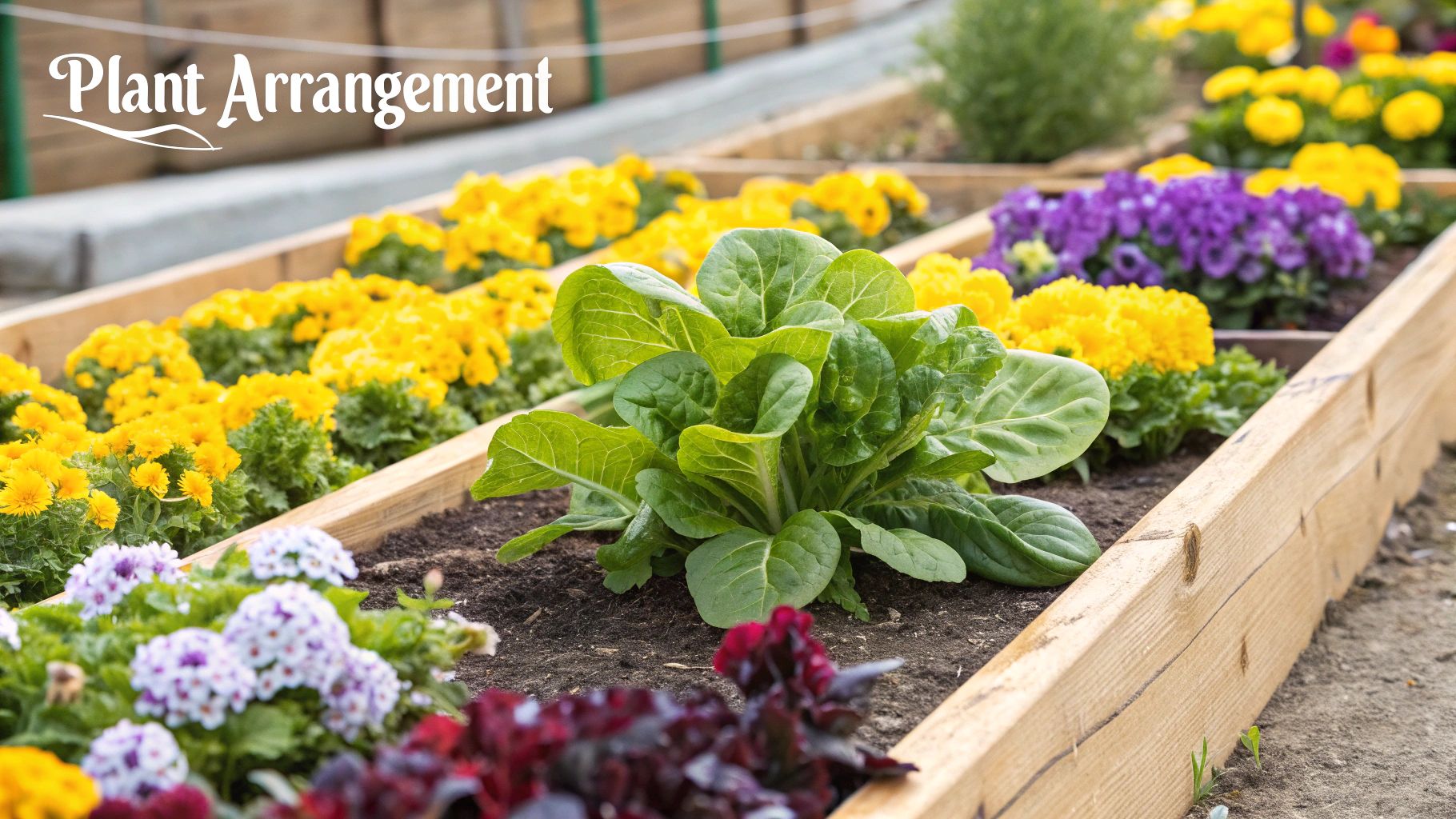
A beautiful design is a great start, but it's the ongoing care that truly protects your landscaping investment. To keep your garden beds looking vibrant for years to come, especially here in South Texas, you need a smart plan for watering and maintenance. Our intense heat and often-unpredictable rain can put even the hardiest plants to the test.
Relying on a simple garden hose or a traditional sprinkler system can sometimes do more harm than good. A huge amount of water is lost to evaporation, and wet leaves create the perfect environment for fungal diseases to thrive. There’s a much better way: a professionally installed drip irrigation system.
The Power of Precision Watering
Drip irrigation is an absolute game-changer for garden beds in our climate. It’s a simple concept with a huge impact. Instead of spraying water everywhere, it delivers a slow, steady drip directly to the soil right at the base of each plant.
This targeted approach comes with some serious benefits:
- Significant Water Savings: Drip systems use 30-50% less water than conventional sprinklers by cutting down on evaporation and runoff. That's a win for the environment and your water bill.
- Healthier Plants: Water gets delivered right to the root zone, encouraging deeper, stronger root growth that makes plants more resilient.
- Disease Prevention: By keeping the foliage dry, you drastically reduce the risk of common fungal problems like powdery mildew, a frequent headache for gardeners from Corpus Christi to Harlingen.
Proper installation is everything when it comes to getting these results. If you’re thinking about making the switch, our guide on how to install drip irrigation systems is a great resource to understand what's involved.
Long-term landscape success isn't about working harder; it's about working smarter. A well-designed drip system is one of the best investments you can make for a low-maintenance garden that truly thrives.
A Proactive Maintenance Calendar
Beyond watering, a little consistent care is what keeps your garden beds looking polished and professional. Following a simple seasonal schedule helps you stay ahead of problems before they even start.
- Spring (March-May): Apply a fresh layer of mulch to lock in soil moisture and keep weeds down. It’s also a great time for light pruning to shape plants and encourage new growth.
- Summer (June-August): Check your irrigation system for any clogs or leaks. Keep an eye out for pests and deal with them right away to prevent a small issue from becoming a major infestation.
- Fall (September-November): Once perennials are done blooming, cut them back. Top off your mulch to help protect plant roots from any sudden cold snaps over the winter.
For a truly sustainable approach, you might want to explore the advantages of biological pest control. This method uses natural predators to manage pests, avoiding the need for harsh chemicals.
At Fischer Landscaping, our landscape maintenance services are built to handle all of this for you, ensuring your garden beds remain a source of pride all year round.
Common Questions About Garden Bed Design
When you're thinking about a new landscape, you're bound to have questions. Over the years, we’ve heard some really great ones from our clients all over South Texas, whether they're homeowners in Corpus Christi or property managers up in San Antonio. Let's walk through a few of the most common things people ask when we're designing their perfect garden beds.
How Deep Should a Garden Bed Be?
For most perennials, annuals, and shrubs in South Texas, a garden bed that's 12 to 18 inches deep is the sweet spot. This gives roots plenty of room to stretch out in the amended soil, which is vital for plants to thrive in our climate.
In a raised bed, that depth is even more critical for drainage. If you’re thinking about planting something with a deeper taproot, like certain native grasses or bigger shrubs, you might even push that to 18 or 24 inches. It all comes down to what you want to grow, and that’s something our design experts can help you figure out.
What’s the Best Material for Edging?
Down here on the coast, especially in places like Corpus Christi and across the Coastal Bend, durability is everything. You need materials that can stand up to moisture and our relentless humidity.
- Steel Edging: A fantastic, long-lasting choice that gives you a clean, modern line.
- Natural Stone or Masonry: Top-tier options that offer incredible longevity and a classic, substantial look.
We always steer our clients toward materials that won't rot or fall apart after a few seasons. Investing a bit more upfront ensures your landscape looks great for years to come. Our hardscaping services are all about installing these kinds of durable, beautiful solutions.
How Often Do New Garden Beds Need Water?
Right after installation, new plants are thirsty. They need consistent moisture to get their root systems established. For the first two to four weeks, plan on checking the soil daily. If the top inch feels dry, it's time for a good, deep soak.
The golden rule is to water deeply and less often, rather than giving a shallow sprinkle every day.
Pro Tip: A professionally installed drip irrigation system paired with a smart controller is the most efficient way to handle watering. We can set it up to deliver the perfect amount of water right where it's needed, and it will even adjust for the local conditions in Harlingen, Brownsville, and beyond.
Can I Just Use the Soil I Already Have?
It’s tempting to use your existing soil to save money, but most native soil here in South Texas is either heavy, dense clay or nutrient-poor sandy soil. Neither is a great starting point for lush, healthy plants.
In nearly every project, we recommend either heavily amending the existing soil or, more often, replacing it completely within the new bed. We bring in a professional blend of high-quality compost, topsoil, and other organic matter to create the perfect foundation. Investing in good soil is the single most important thing you can do for the long-term success of your garden.
Ready to transform your property with garden beds that are designed to last and look incredible? The team at Fischer Landscaping is here to bring your vision to life with sustainable, stunning solutions.