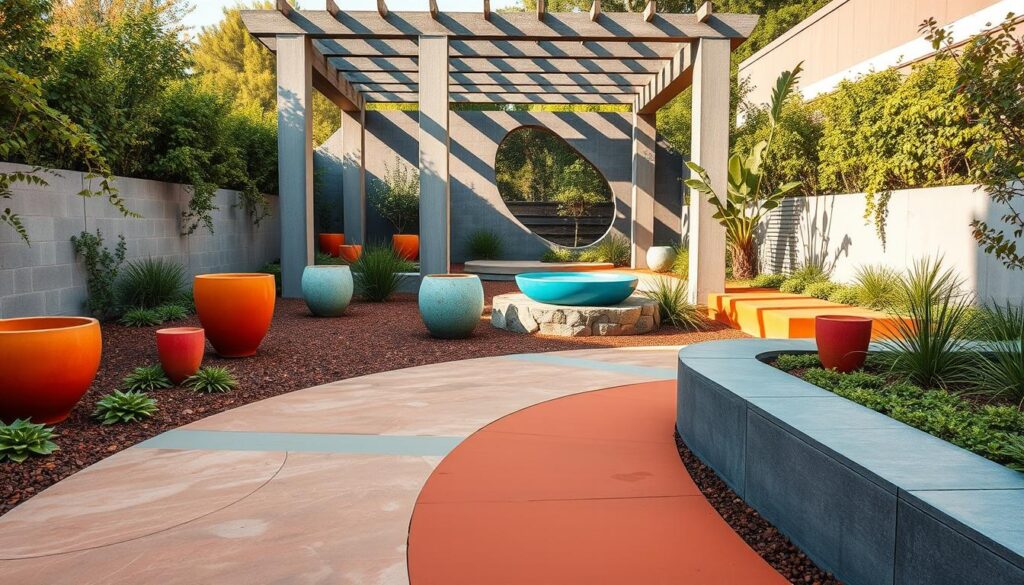
For homeowners and property managers in South Texas, creating a landscape that is both beautiful and resilient is a top priority. The unique climate of regions like Corpus Christi, San Antonio, Brownsville, and Harlingen demands plants that can withstand intense heat, periodic drought, and unpredictable weather. This is where the power of Texas native plants landscaping truly shines. By choosing flora adapted to our local conditions, you ensure a healthier, more sustainable garden while reducing maintenance costs and water usage.
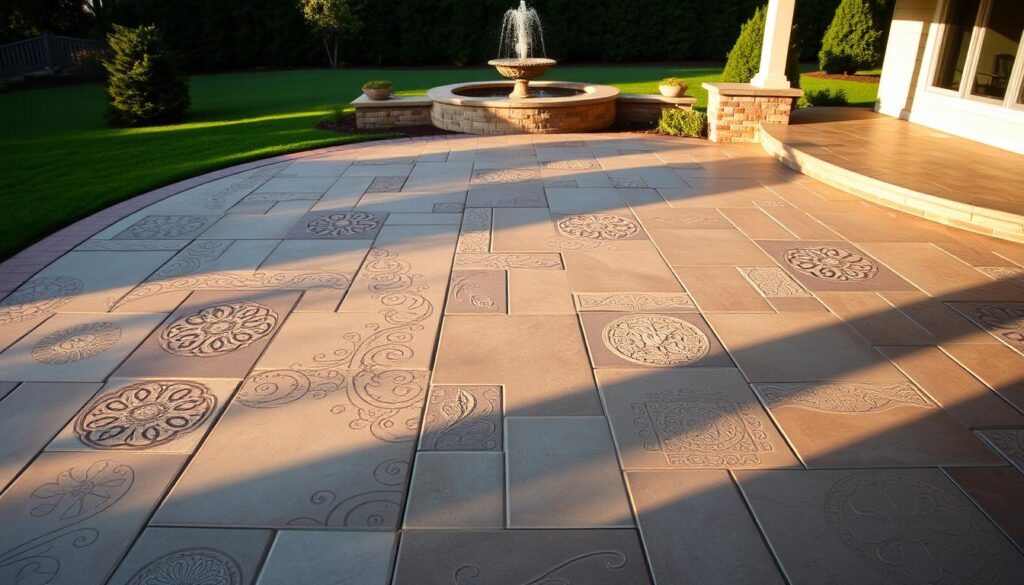
A professionally designed native landscape conserves resources, supports local wildlife, and captures the authentic beauty of the state. However, selecting the right plants and integrating them into a cohesive design requires expertise. While native plants are the heart of your landscape, hardscaping elements like natural stone walls can add structure and visual interest.
This guide explores eight exceptional native plants that can form the backbone of a successful South Texas landscape. Fischer Landscaping can transform your vision into a stunning, low-maintenance reality, creating texture, color, and year-round interest that enhances your property's value and curb appeal.
1. Texas Sage (Salvia greggii)
Texas Sage, or Autumn Sage, is a cornerstone of successful Texas native plants landscaping. This semi-woody perennial is prized for its remarkable resilience and long blooming season. Its tubular flowers, in shades of red, pink, purple, and white, are a magnet for hummingbirds and other essential pollinators from spring through fall.
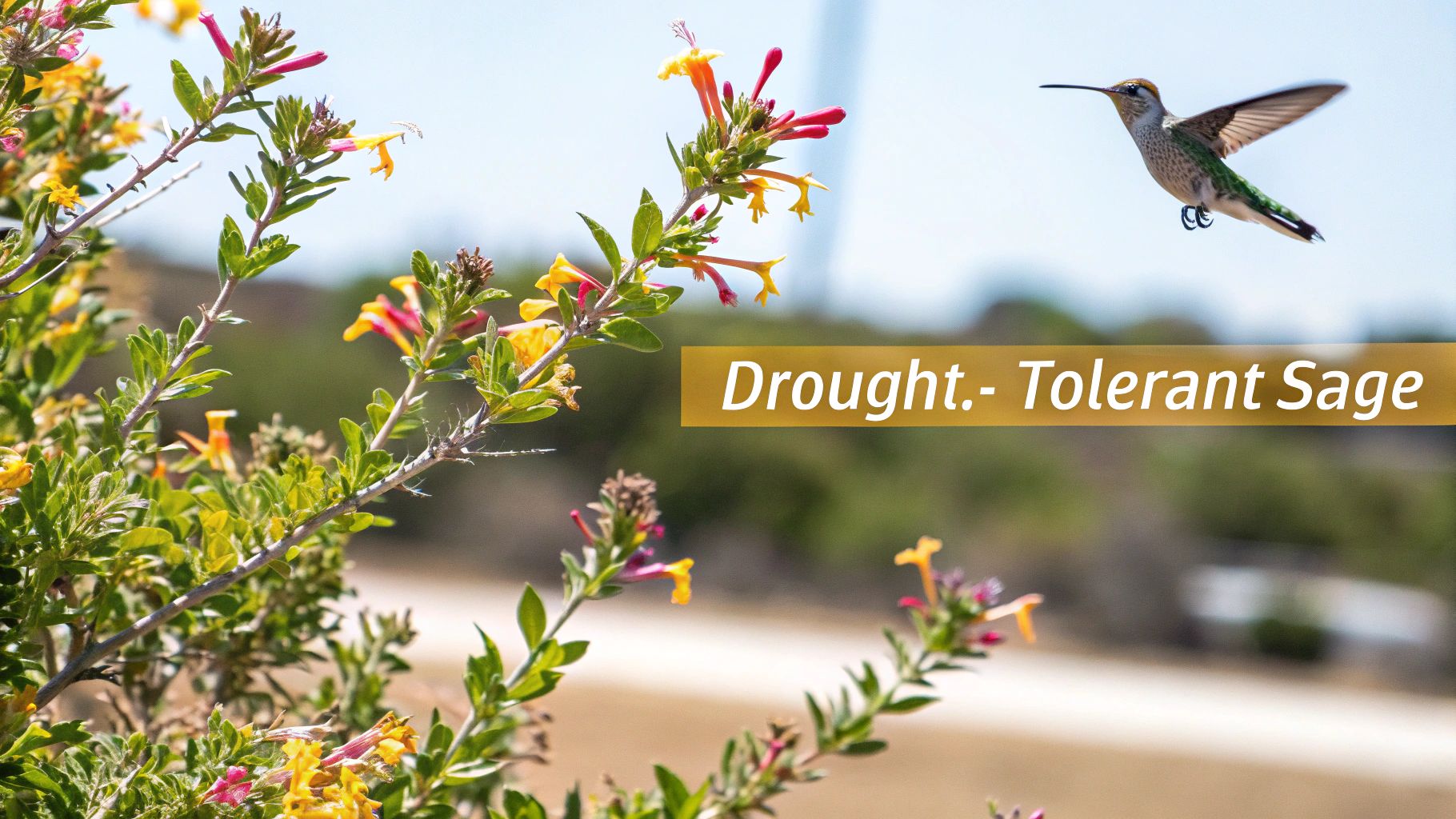
The value of Salvia greggii lies in its adaptability. It thrives in the challenging heat and sporadic rainfall common in areas like San Antonio and Corpus Christi, making it a perfect low-maintenance choice for water-wise landscapes. Its ability to tolerate drought once established reduces water consumption—a significant benefit for both residential and commercial properties. For homeowners seeking vibrant color without constant upkeep, Texas Sage is a key strategy for sustainable garden design.
Implementation and Care Tips
Proper planting and minimal care ensure this shrub becomes a landscape highlight.
- Optimal Planting Time: Plant in the fall or early spring to allow the root system to establish before the summer heat.
- Soil and Drainage: Texas Sage demands well-drained soil. Amending heavy clay soils is crucial to prevent root rot.
- Spacing: Allow adequate room for growth by spacing plants 3 to 4 feet apart. This ensures good air circulation.
- Watering Schedule: Water regularly during its first year. Afterward, it becomes exceptionally drought-tolerant, requiring only occasional watering during prolonged dry spells.
Incorporating plants like Texas Sage is a foundational element of effective residential landscaping. For expert guidance on creating a beautiful, low-maintenance landscape tailored to the South Texas climate, learn more about designing your ideal outdoor space.
2. Black-Eyed Susan (Rudbeckia hirta)
A quintessential Texas wildflower, the Black-Eyed Susan is a cheerful and resilient addition to any native landscaping project. This robust annual or short-lived perennial is famous for its bright yellow, daisy-like petals surrounding a dark brown center. Found naturally in prairies across the state, it brings a touch of classic Texas beauty and is a favorite of the Lady Bird Johnson Wildflower Center.
The value of Rudbeckia hirta is its effortless charm and minimal care requirements. It’s an excellent choice for naturalistic or meadow-style gardens and thrives in the full sun common to South Texas cities like Brownsville and Harlingen. Once established, it requires little supplemental water, making it a sustainable choice. For property owners wanting to create vibrant, low-effort pollinator gardens, Black-Eyed Susans deliver consistent appeal.
Implementation and Care Tips
Properly incorporating this wildflower ensures a stunning display of color.
- Optimal Planting Time: Direct seed in the fall for spectacular spring blooms, or plant in the spring for summer color.
- Sunlight Needs: This plant demands full sun to produce the most abundant flowers. Choose a location that receives at least six hours of direct sunlight.
- Watering Schedule: Water seedlings until established. Afterward, Rudbeckia hirta is exceptionally drought-tolerant.
- Companion Planting: Combine with other natives like blue sage or Indian blanket for a dynamic wildflower meadow effect that supports local ecosystems.
Integrating hardy plants like Black-Eyed Susan is key to creating a successful, eco-friendly landscape. For professional help in designing a landscape that flourishes in the South Texas climate, learn more about designing your ideal outdoor space.
3. Esperanza (Tecoma stans)
Esperanza, also known as Yellow Bells, brings a vibrant, tropical flair to any South Texas landscape. This large, fast-growing shrub is a staple in Texas native plants landscaping for its stunning display of bright yellow, trumpet-shaped flowers. It blooms profusely from spring until the first frost, providing a reliable source of brilliant color.
The value of Tecoma stans is its dual ability to act as both a spectacular accent plant and a functional screen. It thrives in the intense heat common in coastal areas like Corpus Christi and the Rio Grande Valley, making it a low-maintenance powerhouse. Its cheerful blooms attract hummingbirds and bees, enhancing local biodiversity. For homeowners seeking a dramatic, long-blooming focal point that can handle the summer sun, Esperanza is an excellent choice.
Implementation and Care Tips
With proper placement and minimal attention, Esperanza will deliver a show-stopping performance.
- Optimal Planting Time: Plant in the spring after the danger of frost has passed to give it a full growing season to establish.
- Location and Sun: Choose a location that receives full sun for at least six hours a day to maximize flower production.
- Spacing: Allow ample room for its mature size, planting it at least 6 feet away from structures or other large plants.
- Pruning: Prune it back in late winter to maintain a desirable shape, encourage bushier growth, and promote more blooms.
Integrating bold, beautiful plants like Esperanza is key to creating a landscape with year-round interest. For professional help in selecting and installing the perfect plants for your property's unique conditions, learn more about designing your ideal outdoor space.
4. Gregg's Mistflower (Conoclinium greggii)
Gregg's Mistflower is a delicate but resilient perennial that brings a unique, airy texture to native Texas landscapes. This plant produces clusters of fuzzy, lavender-blue flowers from late summer into fall, creating a soft, cloud-like effect. Its primary value lies in its incredible ability to attract butterflies, especially the Queen butterfly, making it an essential component for any pollinator garden.
The appeal of Conoclinium greggii is its low-maintenance nature combined with high ecological impact. It thrives in full sun to light shade and is relatively drought-tolerant once established, fitting perfectly into the water-wise landscapes of San Antonio and the Texas Hill Country. For homeowners aiming to create a vibrant garden that supports local wildlife without demanding constant care, Gregg's Mistflower is an outstanding choice.
Implementation and Care Tips
With proper placement, this wildflower will become a late-season star in your garden.
- Optimal Planting Time: Plant in the fall to give the roots time to establish before summer heat.
- Soil and Drainage: Excellent drainage is crucial. In areas with heavy clay soil, amend with compost to improve aeration.
- Spacing: Plant in drifts of three to five for a stunning visual impact. Space individual plants about 1 to 2 feet apart.
- Watering Schedule: Provide regular water during its first growing season. Mature plants are drought-tolerant but will flower more with occasional deep watering.
Choosing plants like Gregg's Mistflower is a smart move for building a beautiful and sustainable landscape. For professional help in designing a garden that flourishes in the South Texas environment, learn more about our residential landscaping services.
5. Lindheimer's Muhly (Muhlenbergia lindheimeri)
Lindheimer's Muhly is an essential native ornamental grass for modern Texas landscapes. This graceful perennial provides year-round structure and soft texture with its fine, blue-green foliage. In the fall, it produces airy, feathery flower panicles that create a stunning visual effect, especially when backlit by the sun, making it a favorite in water-smart designs from Fredericksburg to San Antonio.
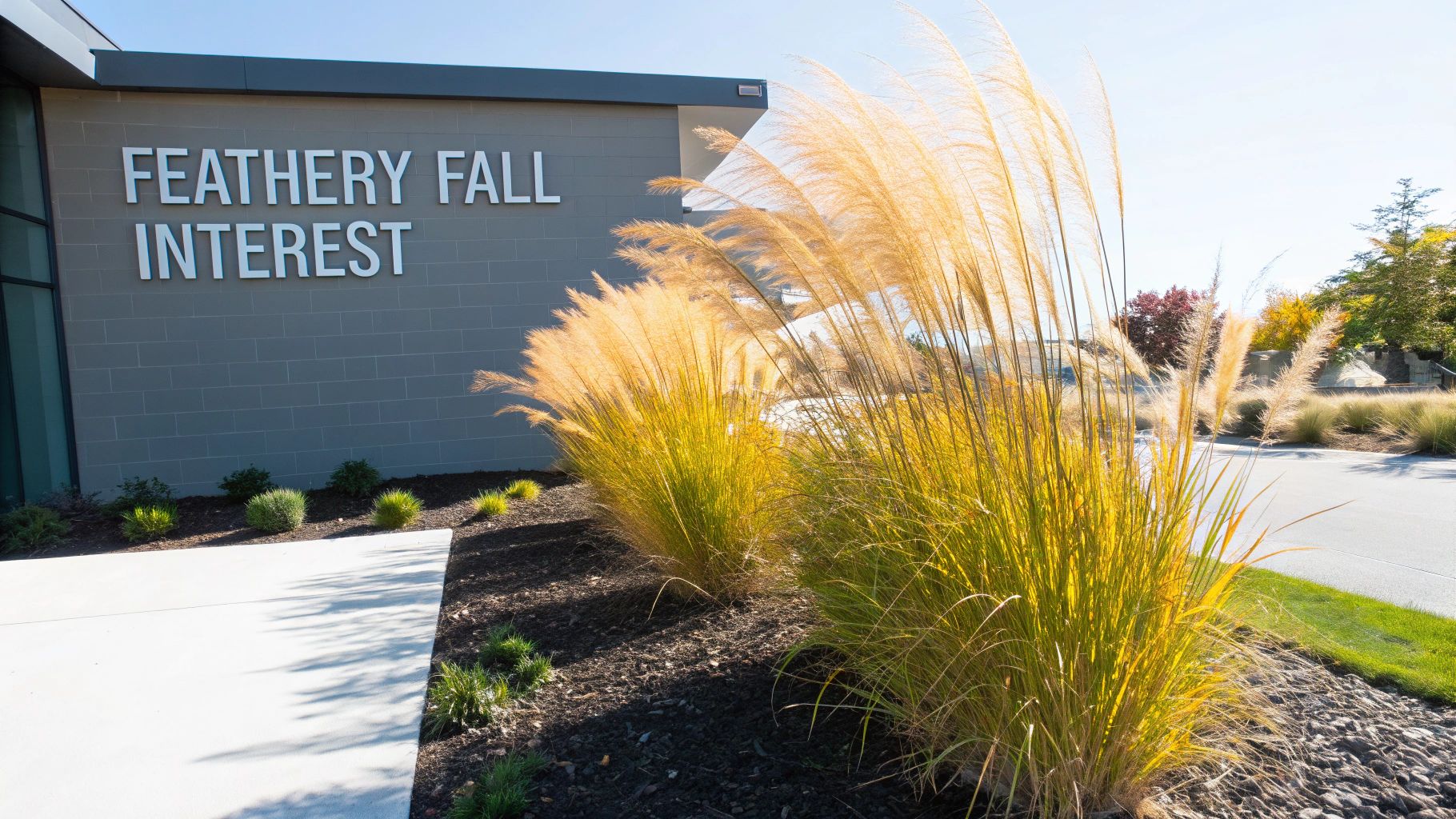
The value of Muhlenbergia lindheimeri is its versatility and low-maintenance appeal. It serves as an excellent vertical accent in garden beds, a soft border along pathways, or a mass planting for a prairie-inspired look. Its adaptability to various soil types and exceptional drought tolerance once established make it a sustainable choice for any texas native plants landscaping project. You can see it used in public spaces like the Zilker Botanical Garden.
Implementation and Care Tips
With minimal upkeep, Lindheimer's Muhly will add elegance and movement to your landscape.
- Optimal Planting Time: Plant in the spring or early fall to give the root system time to establish.
- Soil and Drainage: While adaptable, it performs best in well-drained soil. Amend heavy clay soils to improve drainage.
- Spacing: Provide 3 to 4 feet of space between plants to allow them to reach their mature size.
- Annual Maintenance: Cut the grass back to about 6 inches from the ground in late winter to remove old growth and encourage fresh foliage.
This ornamental grass is a fantastic choice for residential and commercial properties seeking beauty without high water demands. For property owners looking to integrate resilient native plants, our landscaping services in Brownsville offer expert solutions.
6. Purple Coneflower (Echinacea purpurea)
Purple Coneflower is a quintessential prairie wildflower and a stellar performer in Texas native plants landscaping. This perennial is celebrated for its stunning, daisy-like purple-pink petals that surround a prominent, spiky orange-brown cone. It offers striking visual appeal and critical support for local ecosystems, attracting bees, butterflies, and birds.
The value of Purple Coneflower lies in its hardy, drought-tolerant nature. It thrives in full sun and well-drained soils, making it a reliable choice for gardens in areas like San Antonio that experience intense summer heat. Its deep taproot allows it to access water deep in the soil, reducing the need for supplemental irrigation. For property owners looking to create a vibrant, low-maintenance pollinator garden, Purple Coneflower is an indispensable choice.
Implementation and Care Tips
With proper planting and minimal care, Purple Coneflower will become a long-lasting favorite.
- Optimal Planting Time: Plant nursery-grown specimens in the fall or early spring.
- Soil and Drainage: This plant requires excellent drainage and performs well in rocky or sandy soils. It is intolerant of "wet feet," especially in winter.
- Spacing: Space plants 12 to 18 inches apart to allow for mature growth and adequate air circulation.
- Maintenance: Deadhead spent blooms to encourage a longer flowering season. Allow some flower heads to remain in late fall to provide seeds for birds.
For expert help designing a native plant garden that thrives in the South Texas climate, learn more about designing your ideal outdoor space.
7. Turk's Cap (Malvaviscus arboreus var. drummondii)
Turk's Cap is a resilient perennial shrub that offers unique charm to any landscape. Its name comes from the distinctive, bright red flowers that resemble a Turkish turban and never fully unfurl. Blooming from late spring through fall, this plant is a powerhouse for attracting hummingbirds and butterflies, making it an essential component of any pollinator-focused Texas landscaping project.
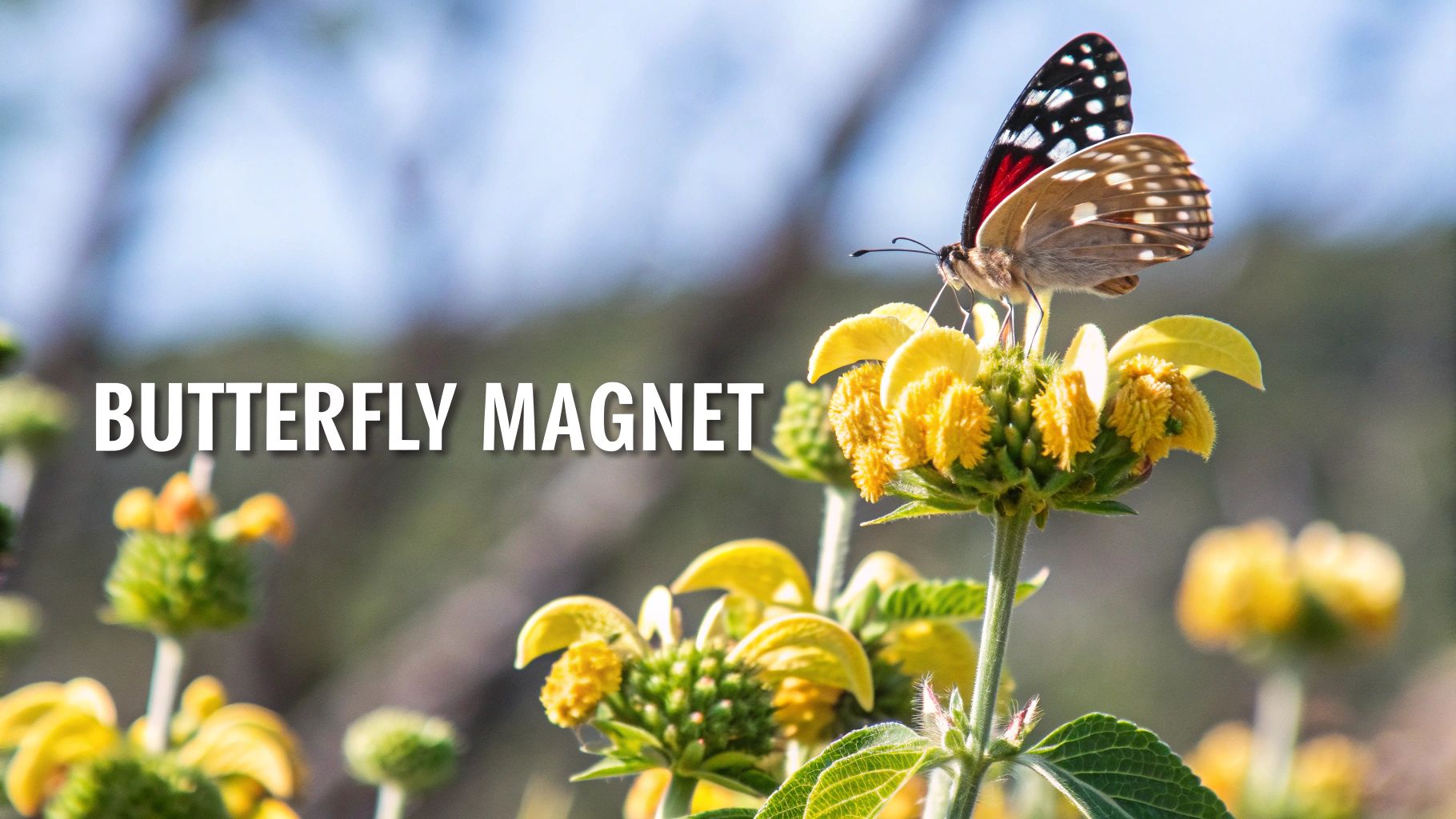
The primary value of Turk's Cap is its versatility and low-maintenance nature. It thrives in a wide range of conditions, from full sun to deep shade, and is highly adaptable to different soil types. This makes it an ideal solution for challenging areas in a garden where other plants might struggle. Its late-season blooms provide crucial nectar for migrating pollinators, ensuring your garden remains a vibrant ecosystem well into autumn.
Implementation and Care Tips
With proper placement and minimal attention, Turk's Cap will flourish.
- Optimal Planting Time: Plant in the spring to give it time to establish its root system before summer.
- Soil and Drainage: While adaptable, it performs best in well-drained soil. It tolerates clay but benefits from some organic matter.
- Spacing: Provide at least 3 to 4 feet of space between plants to accommodate its mature, mounding spread.
- Maintenance: Once established, it is remarkably drought-tolerant. A hard prune in late winter encourages vigorous, new growth.
Integrating shade-tolerant and pollinator-friendly plants like Turk's Cap is a smart move for sustainable residential landscaping. For help creating a vibrant, low-water garden tailored to your property, learn more about designing your ideal outdoor space.
8. Flame Acanthus (Anisacanthus quadrifidus var. wrightii)
Flame Acanthus, also known as Hummingbird Bush, is a tough, deciduous shrub celebrated for its fiery orange-red tubular flowers. Blooming from summer through fall, it provides a crucial late-season nectar source for hummingbirds and butterflies. This drought-tolerant powerhouse is native to the Edwards Plateau and South Texas, making it perfectly suited for the challenging climate of San Antonio and the Rio Grande Valley.
The value of Flame Acanthus lies in its rugged dependability and high wildlife value. It thrives in full sun and well-drained, rocky soils, requiring very little water once established. Its compact, mounding habit makes it an excellent choice for borders, mass plantings, or as a standalone accent. For homeowners looking for a solution that delivers maximum color with minimal input, Flame Acanthus is a top performer.
Implementation and Care Tips
Proper placement and care will ensure this vibrant shrub thrives.
- Sunlight is Key: Plant in full sun for the most prolific blooms and dense growth.
- Drainage First: Excellent drainage is non-negotiable. It excels in rocky or gravelly soils.
- Pruning: Prune back hard in late winter (to about 6-8 inches) to encourage a bushier shape and more flowers.
- Water Wisely: Water to establish, but then rely on rainfall. It is exceptionally drought-tolerant.
Flame Acanthus pairs beautifully with stone borders and pathways, creating a stunning contrast between soft foliage and structured materials. To explore how durable and elegant features can elevate your garden design, learn more about integrating custom hardscaping.
Bring Your Native Landscape to Life with Professional Expertise
Creating a thriving Texas native landscape means balancing beauty, function, and sustainability. You've seen how plants like Texas Sage offer long-lasting color while Lindheimer's Muhly provides texture. A successful design goes beyond individual plants—it's about creating a cohesive, low-water ecosystem that performs year-round. A professional can help you avoid common mistakes, such as improper spacing or poor soil preparation, ensuring your investment flourishes.
Why Professional Guidance Matters
A cohesive native landscape is more than a collection of plants. It’s a resilient ecosystem that supports wildlife, reduces water usage, and enhances your property’s curb appeal. From Corpus Christi to San Antonio, Fischer Landscaping offers the expertise to bring your vision to life. We specialize in:
- Customized Landscape Design Services
- Durable Hardscaping Solutions
- Smart Irrigation Systems
Partnering with seasoned professionals ensures your project is a success. You’ll benefit from expert plant selection, efficient water delivery, and a design that maximizes the beauty of your South Texas property.
Ready to transform your outdoor space with Texas native plants landscaping? Contact Fischer Landscaping today for a tailored consultation. Let our experts craft a water-wise, pollinator-friendly oasis you’ll enjoy for years. Visit Fischer Landscaping to request your quote now.